
Overview
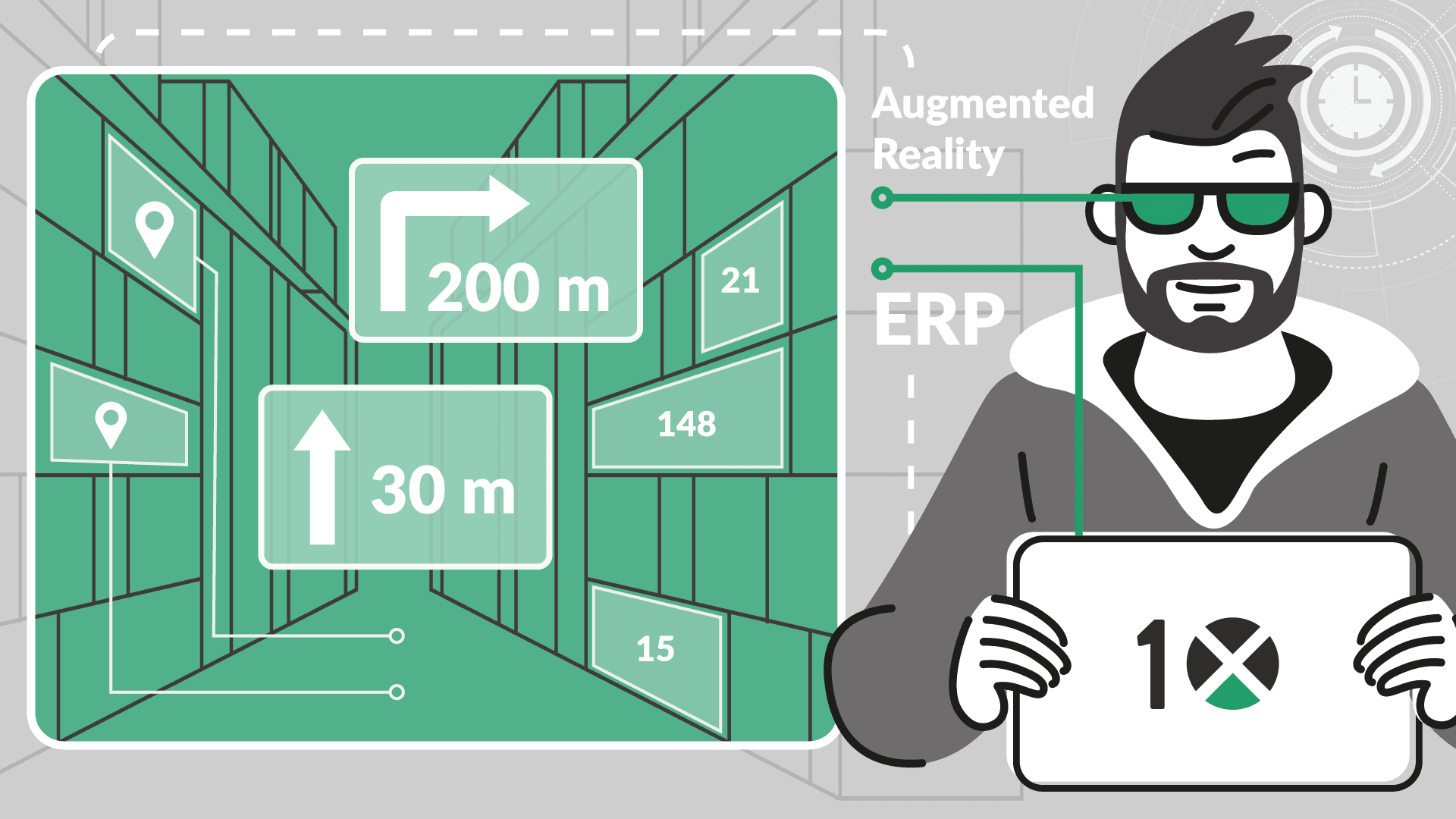
Enterprise Resource Planning (ERP) represents a comprehensive software solution designed to integrate various business functions—such as accounting, inventory control, and supply chain management—enhancing operational efficiency for distributors. By streamlining processes, ERP systems significantly improve decision-making capabilities. They provide real-time data access, which is essential for distributors aiming to respond swiftly to market demands. This responsiveness is crucial for maintaining a competitive advantage in today’s dynamic business environment.
Introduction
Understanding the intricacies of Enterprise Resource Planning (ERP) is crucial for distributors navigating the complexities of modern supply chains. This powerful software solution integrates various business functions, enhancing efficiency and decision-making capabilities. However, as organizations strive to implement ERP systems, they often encounter significant challenges that can hinder their success.
What key obstacles do distributors face when adopting ERP?
How can they effectively overcome these challenges to unlock the full potential of this transformative technology?
Define ERP: Understanding Enterprise Resource Planning
To understand what is ERP and how does it work, it’s important to note that Enterprise Resource Planning (ERP) is a powerful software solution that organizations leverage to manage their day-to-day activities effectively. ERP software enhances processes and information flow throughout the organization, addressing what is ERP and how does it work by integrating various functions into one comprehensive system. Key functions typically encompass:
- Accounting
- Procurement
- Project management
- Risk management
- Supply chain operations
This integration allows organizations to maintain a cohesive perspective of their business processes, thereby promoting improved decision-making and operational effectiveness.
For distributors, ERP solutions are particularly vital. They assist in managing inventory, monitoring orders, and enhancing supply chain logistics. This capability ensures that businesses can respond swiftly to market demands, thereby maintaining a competitive edge. Understanding what is ERP and how does it work is essential, as its implementation not only but also empowers organizations to make informed decisions that drive success.

Explore the Evolution and Importance of ERP in Distribution
The concept of Enterprise Resource Planning (ERP) emerged in the 1960s with the introduction of inventory control frameworks. As businesses evolved, particularly during the 1990s, understanding what is ERP and how does it work transformed to integrate various functions into a unified system. The introduction of cloud technology in the 2000s represented a significant shift in ERP capabilities, allowing for and remote management. This advancement has proven especially beneficial for suppliers grappling with the complexities of managing intricate supply chains and maintaining accurate inventory levels.
Distributors can enhance operational agility, streamline workflows, and quickly respond to customer demands by understanding what is ERP and how does it work with cloud-based ERP solutions. Notably, organizations that have adopted cloud ERP solutions have experienced a remarkable 45% increase in operational efficiency and a 60% reduction in manual errors. These statistics underscore the substantial advantages these platforms offer. As competition intensifies within the distribution landscape, it’s essential to understand what is ERP and how does it work, as these solutions become increasingly critical in providing tools to boost customer satisfaction and drive business success.

Examine Key Features and Functions of ERP Systems
To understand what is ERP and how does it work, one must recognize that ERP systems are characterized by integrated modules that enhance various business functions, including:
- Accounting
- Inventory control
- Customer relationship management (CRM)
- Supply chain oversight
The accounting module is essential, providing real-time financial information that enables suppliers to track expenses and revenues with precision. With 10X ERP’s robust accounting features, stakeholders benefit from:
- Real-time data processing
- Flexible user permissions
- A comprehensive audit trail
- Built-in reporting tools
These features facilitate better decision-making. Inventory management capabilities, such as lot and serial tracking, offer complete visibility over stock levels, ensuring effective inventory management. Simplified item types and customizable attributes further enhance inventory oversight, allowing suppliers to know exactly where their inventory stands at any moment. Moreover, understanding what is ERP and how does it work is facilitated by strong reporting tools within ERP platforms, which enable comprehensive data analysis and empower organizations to make informed decisions based on accurate insights.
A significant advancement in modern ERP solutions, such as 10X ERP, is the API-first approach. This design allows for seamless integration with other software applications, enhancing operational capabilities without disrupting existing workflows. For instance, suppliers can effortlessly link their ERP applications with e-commerce platforms or logistics software, optimizing processes and improving efficiency. Such API-first solutions are increasingly essential for suppliers aiming to adapt to rapidly changing market demands and technological advancements, ensuring they remain competitive in a dynamic landscape.

Identify Challenges in ERP Implementation for Distributors
Implementing an ERP solution poses significant challenges for suppliers, with resistance to change emerging as a primary obstacle. Statistics reveal that nearly 49% of companies face delays in going live due to employee pushback and the complexities associated with data migration. Additionally, the necessity for extensive training can overwhelm staff, particularly as they adapt to new technologies. Selecting an ERP solution that aligns with specific business requirements adds another layer of complexity, as distributors often struggle to customize the platform to fit their unique processes.
To effectively navigate these challenges, a meticulously planned is vital. Engaging stakeholders early in the process fosters support and mitigates opposition. Moreover, comprehensive training ensures that employees feel confident in using the new platform. Ongoing support after deployment is essential for resolving any issues that may arise and for reinforcing the benefits of the ERP system. By prioritizing these strategies, distributors can significantly enhance their chances of successful ERP implementation, prompting a deeper understanding of what is ERP and how does it work, ultimately leading to improved operational efficiency and productivity.

Conclusion
Enterprise Resource Planning (ERP) systems are essential for streamlining operations for distributors by integrating various business functions into a unified platform. Grasping the essence of ERP and its operational framework is vital for organizations aiming to boost their efficiency and responsiveness in a competitive market. This robust software solution not only simplifies processes but also empowers informed decision-making, ultimately driving business success.
The discussion underscores several key aspects of ERP, including:
- Its historical evolution
- Critical features like real-time data access
- The substantial advantages of cloud-based solutions
Distributors stand to gain significantly from these systems, experiencing heightened operational efficiency and diminished manual errors. Furthermore, the challenges linked to ERP implementation—such as resistance to change and the necessity for extensive training—highlight the importance of a meticulously planned strategy to ensure a seamless transition and maximize system benefits.
Given the insights presented, it is clear that adopting ERP solutions is no longer optional but a necessity for distributors striving to excel in today’s dynamic landscape. By comprehending what ERP is and how it functions, organizations can enhance their operational capabilities and position themselves for sustained success. The call to action is unmistakable: prioritize ERP implementation to unlock the full potential of your distribution processes and maintain a competitive edge.
Frequently Asked Questions
What is ERP?
ERP stands for Enterprise Resource Planning, which is a powerful software solution that organizations use to manage their day-to-day activities effectively.
How does ERP work?
ERP works by integrating various functions into one comprehensive system, enhancing processes and information flow throughout the organization.
What are the key functions of ERP?
Key functions of ERP typically include accounting, procurement, project management, risk management, and supply chain operations.
Why is ERP important for organizations?
ERP is important for organizations because it allows them to maintain a cohesive perspective of their business processes, promoting improved decision-making and operational effectiveness.
How does ERP benefit distributors specifically?
For distributors, ERP solutions are vital as they assist in managing inventory, monitoring orders, and enhancing supply chain logistics, enabling businesses to respond swiftly to market demands.
What impact does ERP implementation have on organizations?
ERP implementation streamlines operations and empowers organizations to make informed decisions that drive success.