
Overview
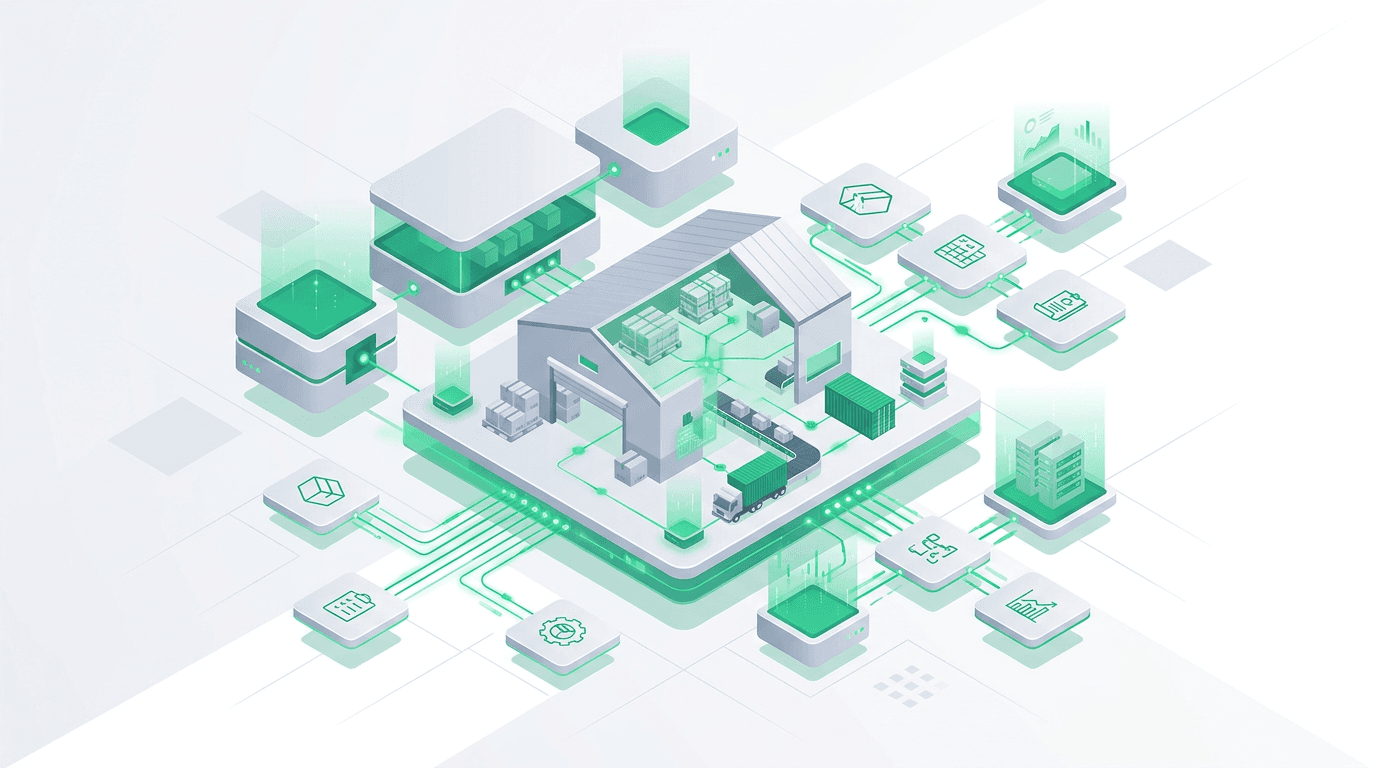
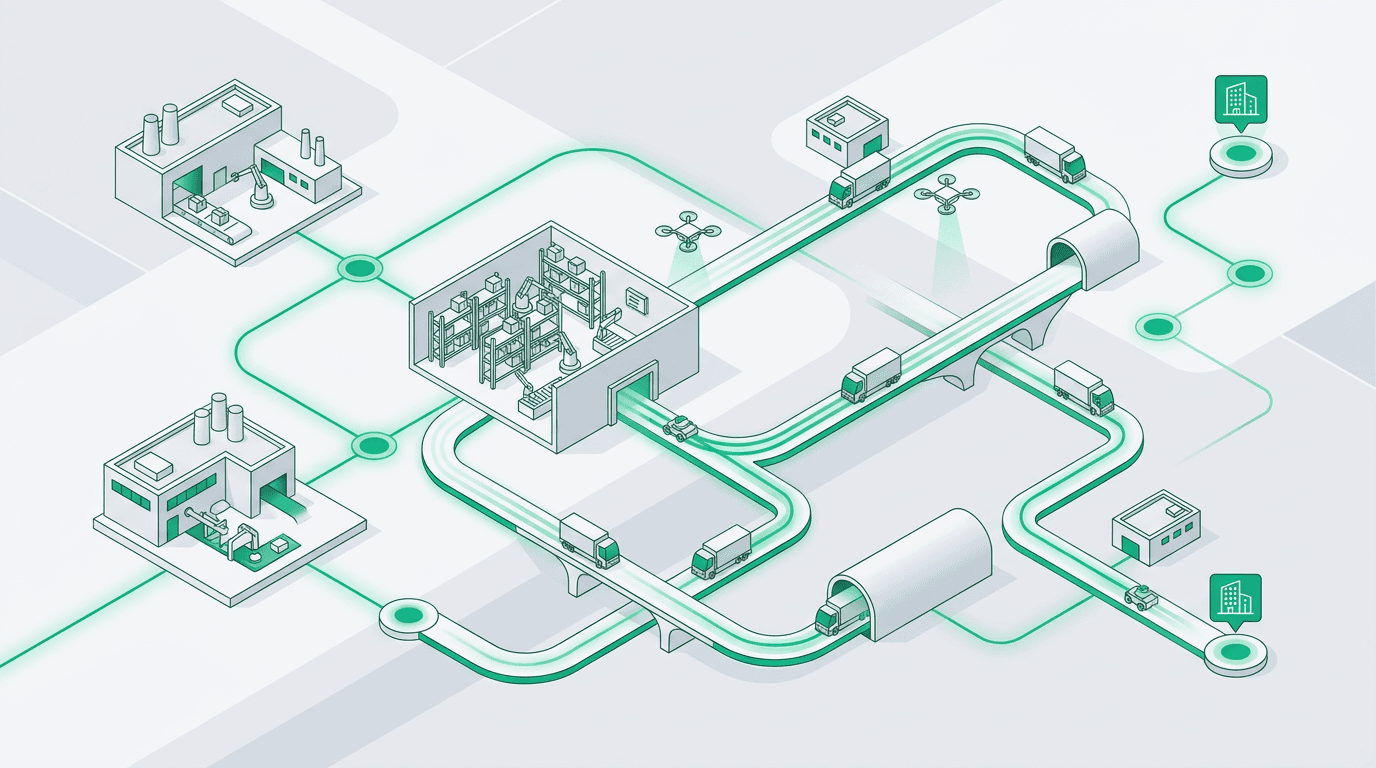
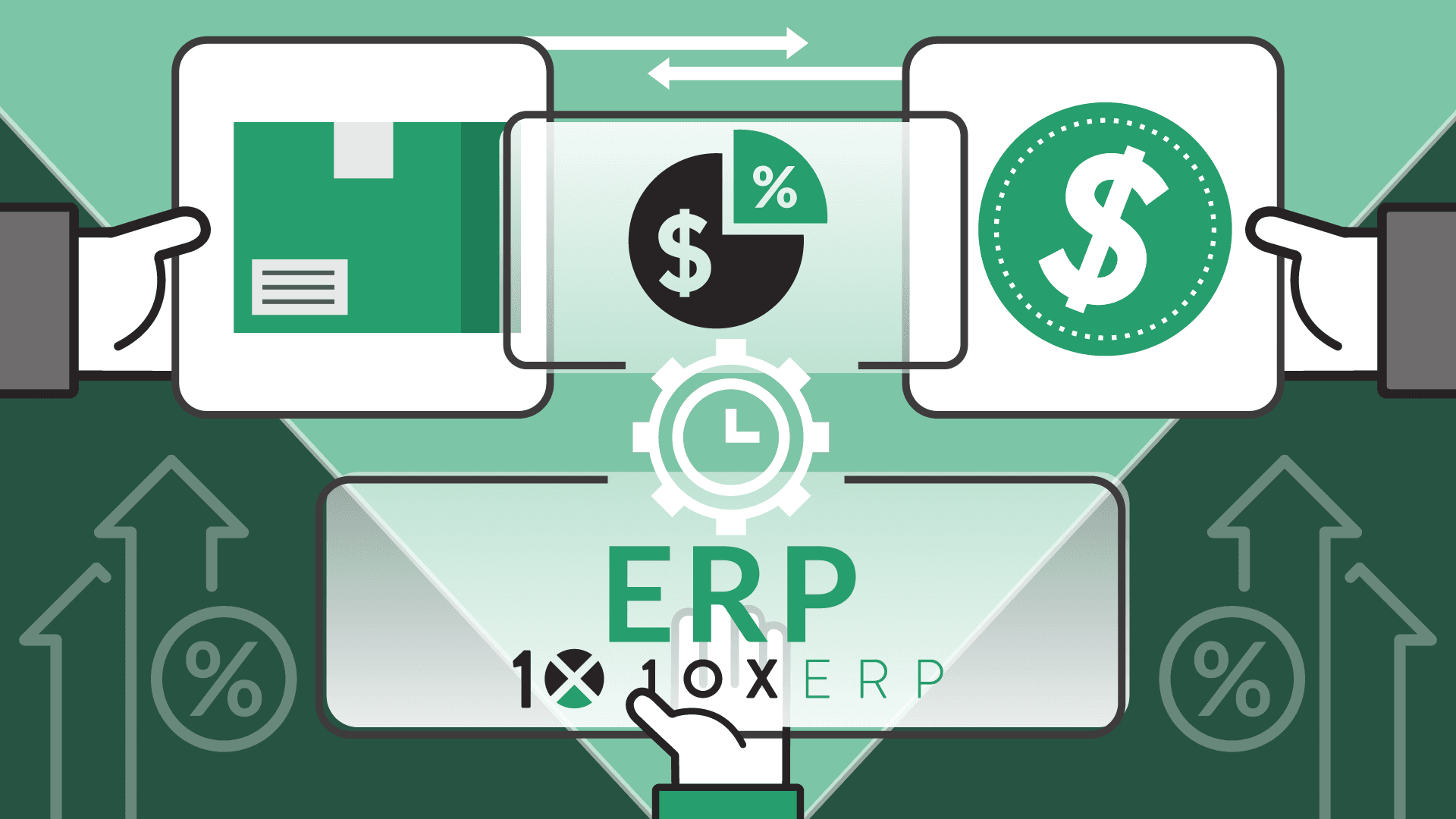
An ERP system in retail serves as a comprehensive software solution that seamlessly integrates various business processes, including inventory management, sales tracking, and customer relationship management, into a single platform. This integration is pivotal for enhancing operational efficiency and informed decision-making. Notably, these systems significantly reduce operational costs, improve inventory accuracy, and foster superior customer service. By providing real-time data access, they empower retailers to respond swiftly to market demands, thereby maintaining a competitive edge. In today’s fast-paced retail environment, adopting an ERP system is not just beneficial; it is essential for success.
Introduction
The landscape of retail is rapidly evolving, presenting new challenges and opportunities for businesses striving to remain competitive. An ERP system in retail stands out as a pivotal solution, delivering a unified platform that integrates various essential functions—from inventory management to customer relationship oversight. As retailers confront escalating pressures to enhance operational efficiency and customer satisfaction, a critical question emerges: How can these systems not only streamline processes but also drive substantial improvements in performance and profitability?
Define ERP Systems in Retail: Core Concepts and Functions
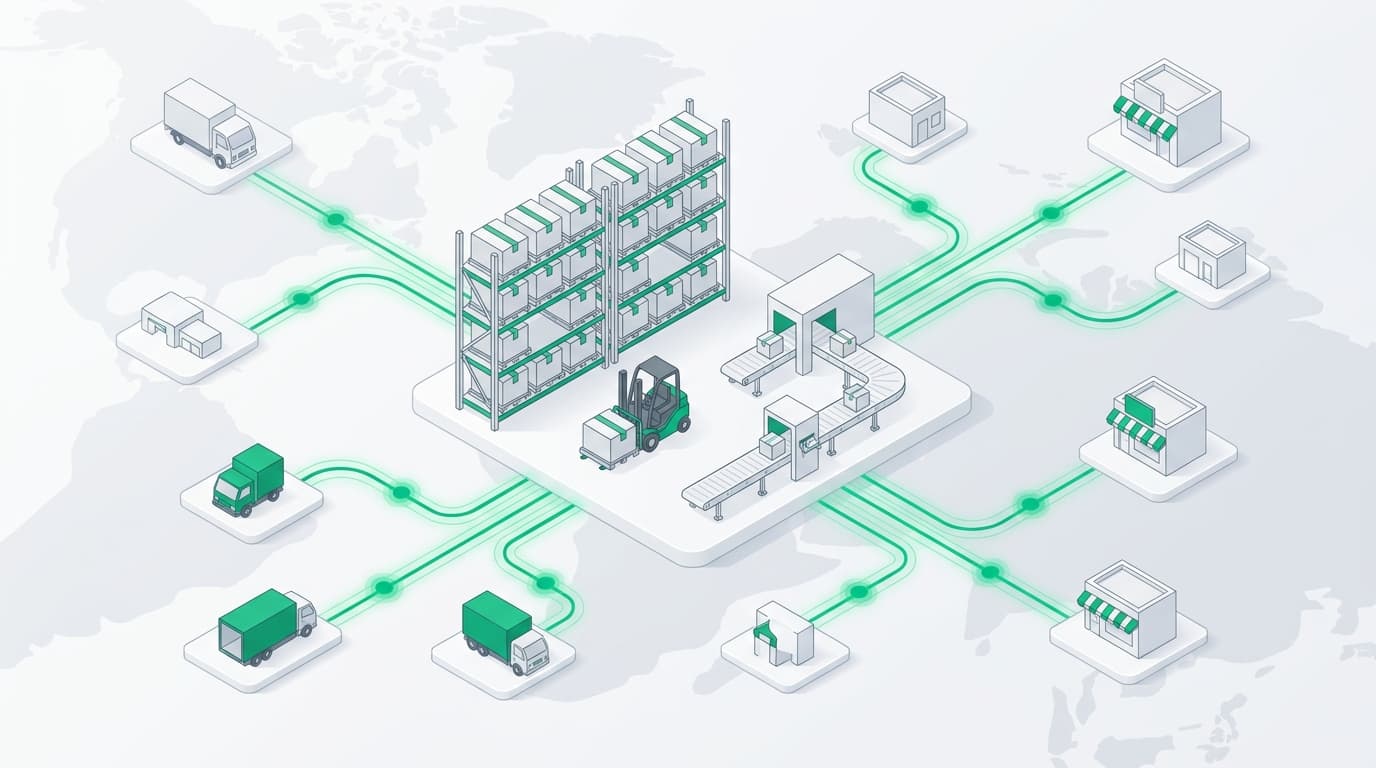
The erp system retail provides comprehensive software solutions that integrate and streamline essential business processes across various departments. By consolidating functions such as inventory management, sales tracking, customer relationship management (CRM), and financial reporting into a single platform, an ERP system retail significantly enhances operational efficiency and decision-making capabilities. With access to , retailers can respond swiftly to market demands, ultimately improving customer satisfaction.
The essential functions of an ERP system retail focus on automating routine tasks, which considerably decreases the time employees spend on manual data entry—estimated at 20% of their work hours. This automation not only boosts productivity but also minimizes errors, leading to a remarkable 70% reduction in manual mistakes. Furthermore, ERP solutions facilitate seamless communication among departments, ensuring that all teams can access a centralized database for business activities. This integration is crucial, as 95% of retail companies report enhanced supply chain visibility and planning after implementing an ERP system retail.
10X ERP distinguishes itself with its robust accounting features, flexible user permissions, and a comprehensive audit trail, enabling stakeholders to make better-informed decisions. The significance of an ERP system retail cannot be overstated. They empower retailers to make informed decisions based on accurate, real-time data, which is vital for maintaining a competitive edge in a dynamic market. Effective execution of an ERP system retail can lead to a 10-20% reduction in operational expenses and a significant improvement in stock control, with some retailers experiencing a 30% decrease in stockouts. As industry leaders emphasize, the right ERP system retail not only streamlines operations but also enhances the overall customer experience, making it an essential tool for retailers striving to thrive in today’s fast-paced environment.
Moreover, 10X ERP’s cloud-based solution guarantees maximum security and scalability, further enhancing its effectiveness in managing stock accuracy. Ultimately, the successful implementation of ERP solutions necessitates a focus on change management and team training, ensuring that organizations can fully leverage the advantages of these powerful tools.

Trace the Evolution of ERP Systems: From Origins to Modern Applications
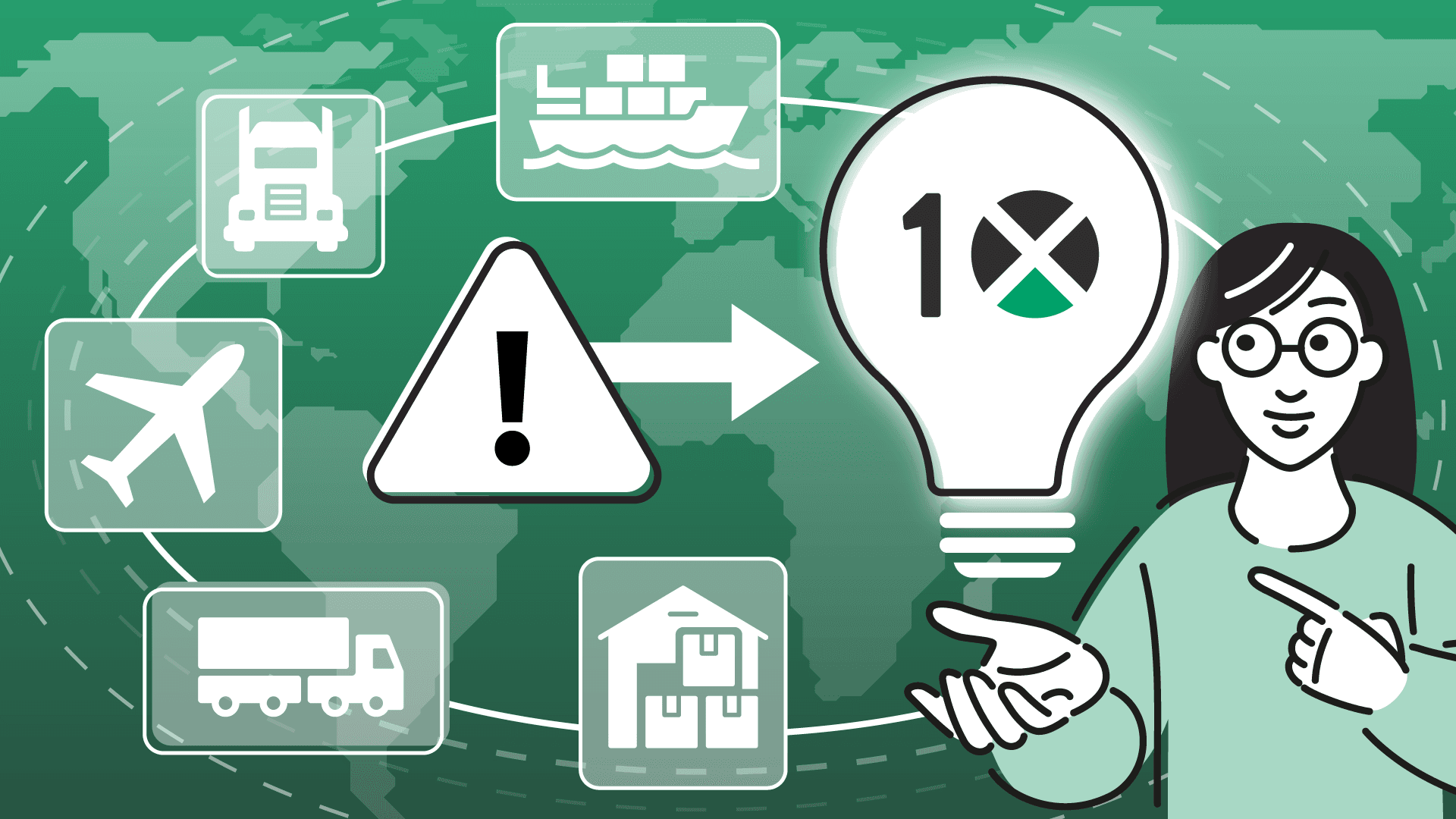
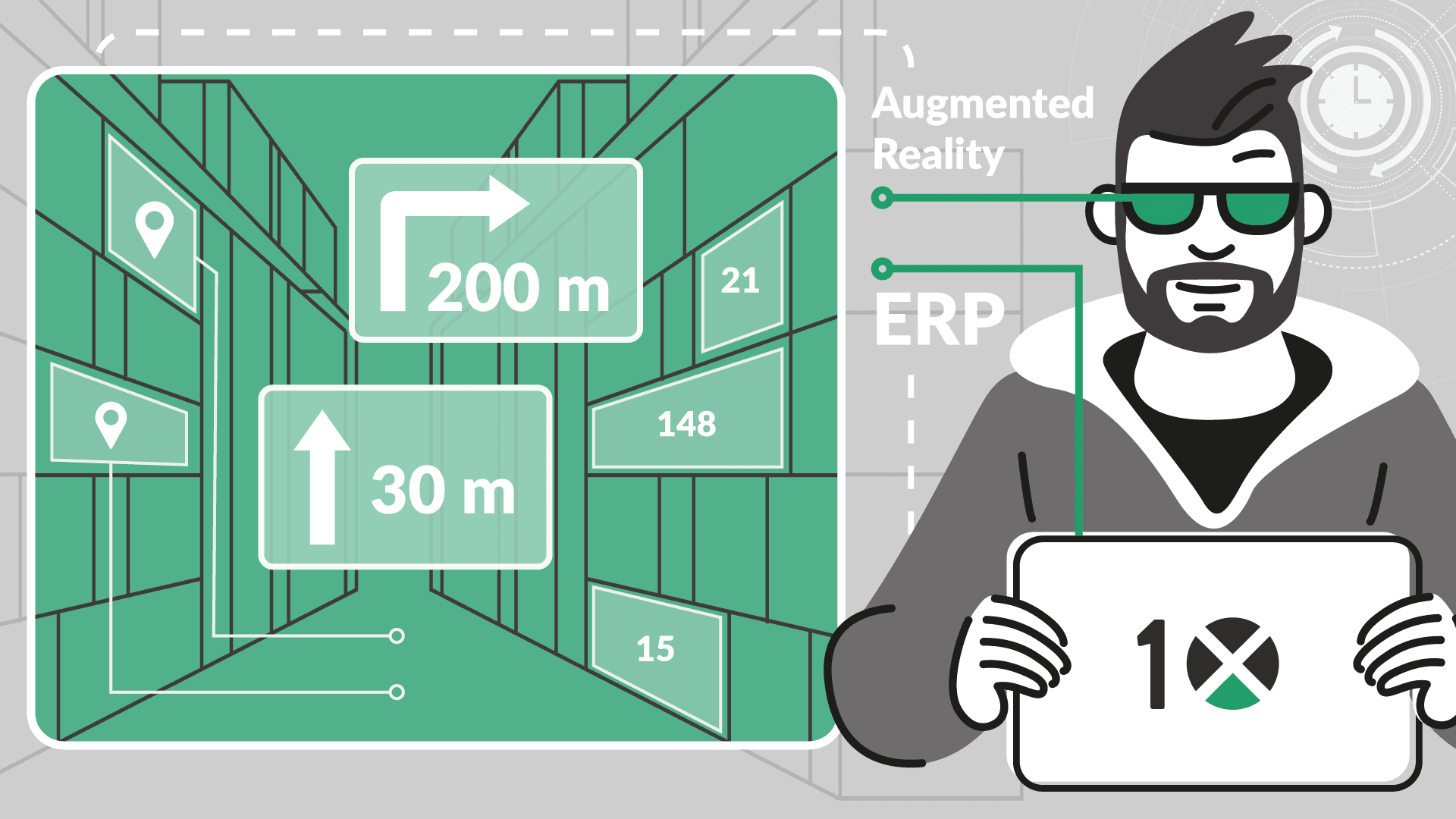
The evolution of ERP solutions began in the 1960s with Material Requirements Planning (MRP), primarily focusing on inventory management and production scheduling. As organizations expanded, the limitations of MRP became evident, leading to the development of ERP solutions in the 1990s. This shift introduced a wider array of functionalities, encompassing finance, human resources, and supply chain management, thereby addressing the demand for integrated solutions. The late 1990s marked a pivotal moment with the advent of cloud technology, revolutionizing ERP platforms by enabling real-time data access and scalability. Today, the ERP system retail utilizes advanced technologies such as , facilitating predictive analytics and enhancing customer experiences. This transformation not only streamlines operations across various sales channels but also equips businesses to respond swiftly to market fluctuations, ultimately driving efficiency and growth.

Examine Key Features of Retail ERP Systems: Enhancing Distribution Efficiency
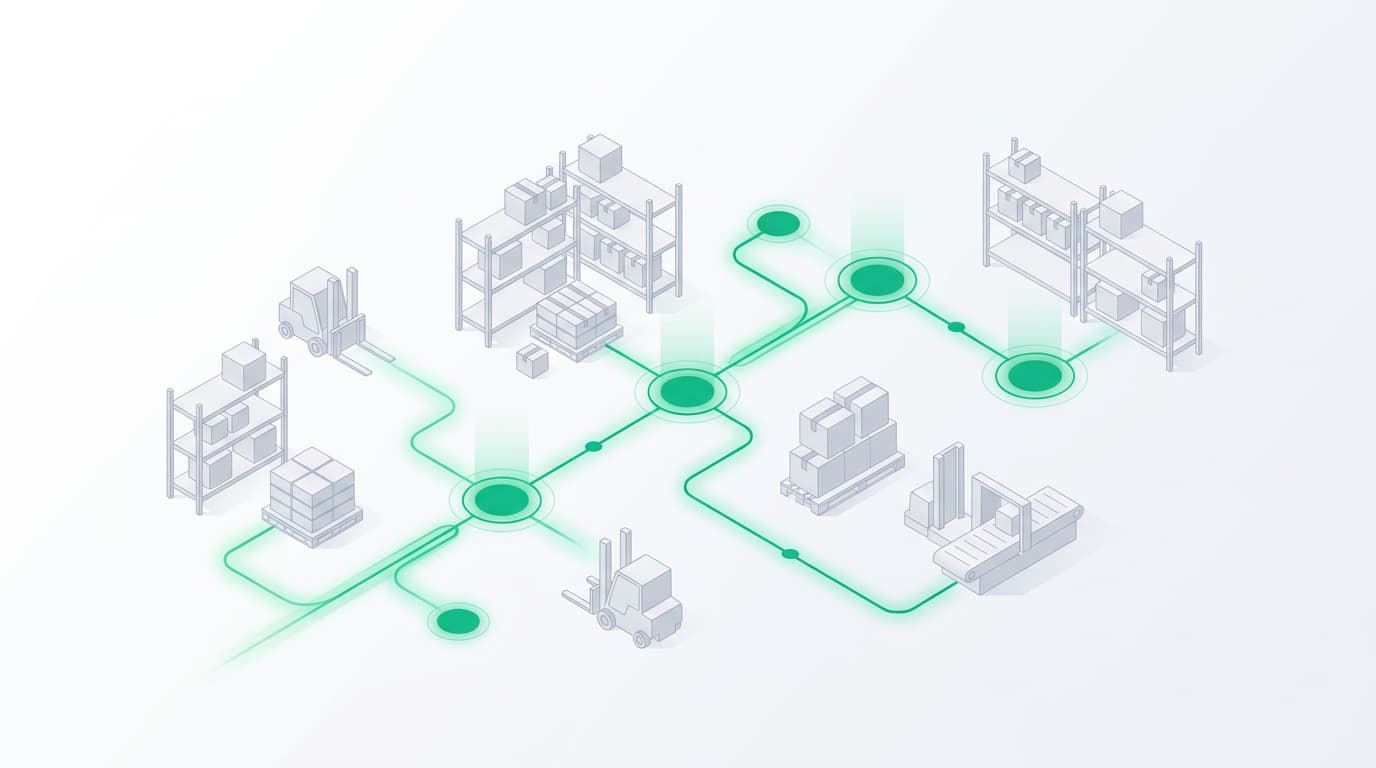
Key aspects of the ERP system retail encompass real-time stock oversight, point-of-sale (POS) integration, customer relationship administration (CRM), and financial oversight tools. Real-time stock oversight allows retailers to consistently monitor supply levels, facilitating automated reordering processes and significantly reducing instances of excess stock or shortages. This capability is crucial, as 82% of in-store customers encountered in the past year, highlighting the urgent need for efficient stock management to enhance customer satisfaction.
POS integration is essential, ensuring seamless transactions and providing accurate sales data, which is critical for informed decision-making. Notably, 69% of online shoppers abandon their purchases if the item is out of stock, underscoring the necessity of real-time data in sustaining customer trust and loyalty.
Moreover, CRM functionalities empower retailers to analyze customer behavior, enabling tailored marketing strategies that resonate with their target audience. Robust financial oversight tools deliver insights into profitability and cash flow, equipping retailers to make strategic financial decisions based on real-time data.
Furthermore, adaptable tracking and smooth integrations enhance the overall functionality of retail ERP platforms, fostering a more customized approach to stock oversight and operational efficiency. Collectively, these features improve distribution efficiency by streamlining operations, minimizing manual errors, and enhancing responsiveness to market demands. Retailers utilizing real-time stock management solutions have reported a 20% increase in customer satisfaction, highlighting the tangible benefits of integrating such technologies into their ERP system retail.

Understand the Importance of ERP in Retail: Driving Operational Success
The importance of the ERP system retail cannot be overstated. By consolidating data and automating essential processes, these platforms enable retailers to significantly reduce operational expenses, improve inventory accuracy, and enhance customer service. For instance, real-time data access allows retailers to quickly respond to changing customer preferences and market conditions, thereby sustaining their competitive advantage. Furthermore, ERP solutions foster collaboration across departments, leading to unified strategies and informed decision-making.
Successful implementation of an ERP system retail can drive substantial operational success, empowering retailers to achieve their business goals and support sustainable growth. Remarkably, organizations that have embraced ERP systems report a 30-50% increase in data accuracy, which directly enhances inventory management and operational efficiency. This data underscores the in modern retail, prompting retailers to consider adopting these systems to stay ahead in a competitive landscape.

Conclusion
The core of an ERP system in retail is its capacity to unify diverse business processes, significantly enhancing operational efficiency and decision-making through integrated software solutions. By automating routine tasks and offering real-time access to critical data, retailers can adeptly respond to market demands, ultimately elevating customer satisfaction and streamlining operations.
Key features of retail ERP systems are crucial, including:
- Real-time stock oversight
- POS integration
- CRM capabilities
- Robust financial tools
These functionalities not only minimize manual errors and enhance inventory accuracy but also promote collaboration across departments, empowering retailers to make informed decisions based on precise data. The historical evolution of ERP systems highlights their increasing significance, adapting to technological advancements and market needs to drive operational success.
In today’s competitive retail landscape, adopting an effective ERP system is essential for businesses striving to thrive. The substantial benefits—such as reduced operational expenses, improved customer service, and heightened data accuracy—underscore the transformative influence of these systems. Retailers are strongly encouraged to embrace ERP solutions to bolster their operational capabilities, ensuring they remain agile and responsive to the ever-changing market dynamics.
Frequently Asked Questions
What is an ERP system in retail?
An ERP system in retail is a comprehensive software solution that integrates and streamlines essential business processes across various departments, including inventory management, sales tracking, customer relationship management (CRM), and financial reporting.
How does an ERP system enhance operational efficiency?
By consolidating multiple functions into a single platform and providing access to real-time data and insights, an ERP system enhances operational efficiency and decision-making capabilities, allowing retailers to respond swiftly to market demands.
What are the core functions of an ERP system in retail?
The core functions include automating routine tasks, reducing manual data entry time, boosting productivity, minimizing errors, and facilitating seamless communication among departments through a centralized database.
What impact does automation have on employee productivity?
Automation reduces the time employees spend on manual data entry by an estimated 20% and leads to a remarkable 70% reduction in manual mistakes, significantly boosting overall productivity.
How does an ERP system improve supply chain visibility?
After implementing an ERP system, 95% of retail companies report enhanced supply chain visibility and planning, which is crucial for effective inventory management and operational efficiency.
What are the benefits of using 10X ERP?
10X ERP offers robust accounting features, flexible user permissions, and a comprehensive audit trail, enabling stakeholders to make better-informed decisions and improving overall operational effectiveness.
What financial impact can retailers expect from implementing an ERP system?
Effective execution of an ERP system can lead to a 10-20% reduction in operational expenses and significant improvements in stock control, with some retailers experiencing a 30% decrease in stockouts.
How does an ERP system enhance customer experience?
By streamlining operations and providing accurate, real-time data for decision-making, an ERP system enhances the overall customer experience, which is essential for retailers in a competitive market.
What security features does 10X ERP provide?
10X ERP’s cloud-based solution guarantees maximum security and scalability, which enhances its effectiveness in managing stock accuracy.
What is necessary for the successful implementation of ERP solutions?
Successful implementation requires a focus on change management and team training to ensure that organizations can fully leverage the advantages of ERP systems.