
Overview
This article delves into the essential types of supply chain management (SCM) software crucial for distributors, underscoring their significance in optimizing logistics and enhancing operational efficiency. By detailing specific software categories—Inventory Management Systems, Transportation Management Systems, and Order Management Systems—it addresses distinct operational needs, ultimately improving visibility, efficiency, and collaboration within the supply chain.
Understanding these software solutions is vital for any Operations Manager seeking to streamline processes and drive performance. Each category of SCM software plays a pivotal role in addressing unique challenges faced by distributors. For instance:
- Inventory Management Systems ensure that stock levels are maintained efficiently, reducing waste and improving service levels.
- Transportation Management Systems optimize the movement of goods, which can lead to substantial cost savings.
- Order Management Systems facilitate seamless order processing, ensuring customer satisfaction through timely deliveries.
In conclusion, embracing the right SCM software is not merely a choice; it is a strategic imperative for distributors aiming to thrive in a competitive landscape. By leveraging these tools, organizations can enhance their operational capabilities, foster collaboration, and ultimately achieve greater success in their supply chain endeavors.
Introduction
The intricate web of global trade relies heavily on efficient supply chain management—a fact underscored by the staggering growth of the SCM software market, projected to reach nearly USD 32 billion by 2030. For distributors, understanding the various types of supply chain management software is not just beneficial; it is essential for navigating the complexities of logistics and optimizing operations. As organizations strive to enhance visibility, reduce costs, and improve customer satisfaction, the challenge remains: which software solutions will truly transform their supply chain processes and drive competitive advantage in an ever-evolving marketplace?
Define Supply Chain Management Software
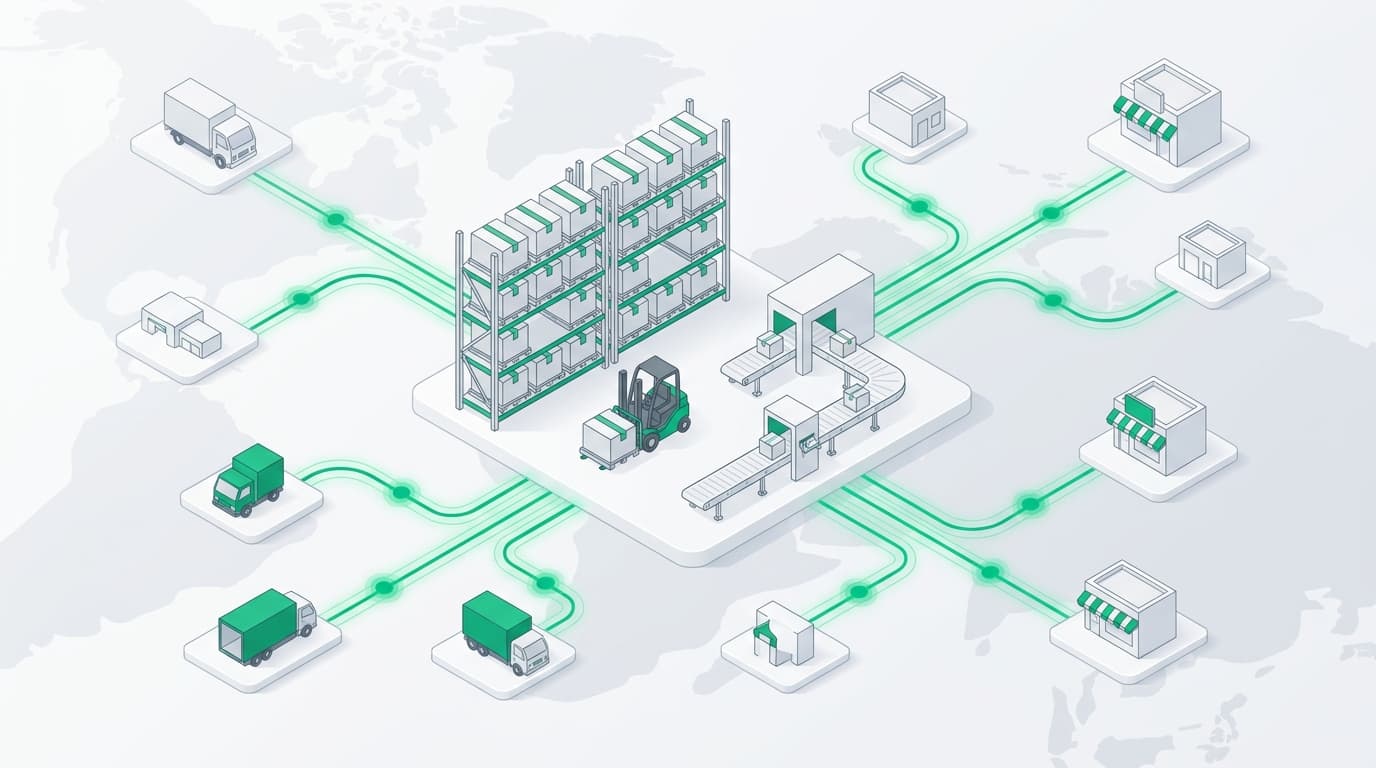
Supply Chain Management (SCM) tools, which are essential types of supply chain management software, orchestrate the flow of goods, information, and finances across the supply chain. These tools encompass essential processes such as:
- Procurement
- Production
- Inventory management
- Logistics
By integrating these functions, SCM tools empower organizations to optimize operations, enhance visibility, and foster collaboration among stakeholders. This capability is especially crucial for distributors who face the challenge of managing complex logistics and ensuring timely product delivery.
In 2024, the global supply chain management technology market reached approximately USD 21.93 billion, reflecting its growing significance in the industry. The market is anticipated to expand at a compound annual growth rate (CAGR) of 10.37% from 2023 to 2028, highlighting the continuous need for SCM applications. As companies increasingly require real-time tracking and monitoring, SCM tools become essential for lowering expenses and enhancing operational efficiency.
Solutions such as 10X ERP provide cloud-based functionalities with real-time data processing, strong accounting features, adaptable user permissions, comprehensive audit trails, built-in reporting, and advanced inventory management, including customizable tracking and smooth application integration. Companies utilizing such solutions can achieve significant improvements in visibility and collaboration, enabling them to respond swiftly to market changes and customer needs.
The significance of SCM applications in the distribution sector is underscored by expert views from industry leaders, who stress their role in enhancing efficiency and competitiveness in a changing marketplace. As the demand for effective supply chain solutions continues to rise, organizations must recognize the transformative potential of types of supply chain management software to remain competitive in the landscape.

Explore Types of Supply Chain Management Software
There are various types of supply chain management software that encompass several categories, each tailored to address distinct operational needs. Key types include:
-
Inventory Management Software: Essential for tracking stock levels, orders, sales, and deliveries, this software allows suppliers to maintain optimal inventory levels, significantly reducing excess stock and enhancing cash flow. Notably, the adoption of such systems can lead to a 43% decrease in stock levels, enhancing overall efficiency. With 10X ERP’s advanced inventory management features, including customizable tracking, lot/serial item tracking, and powerful cross-referencing, suppliers can know exactly where their inventory is at any time.
-
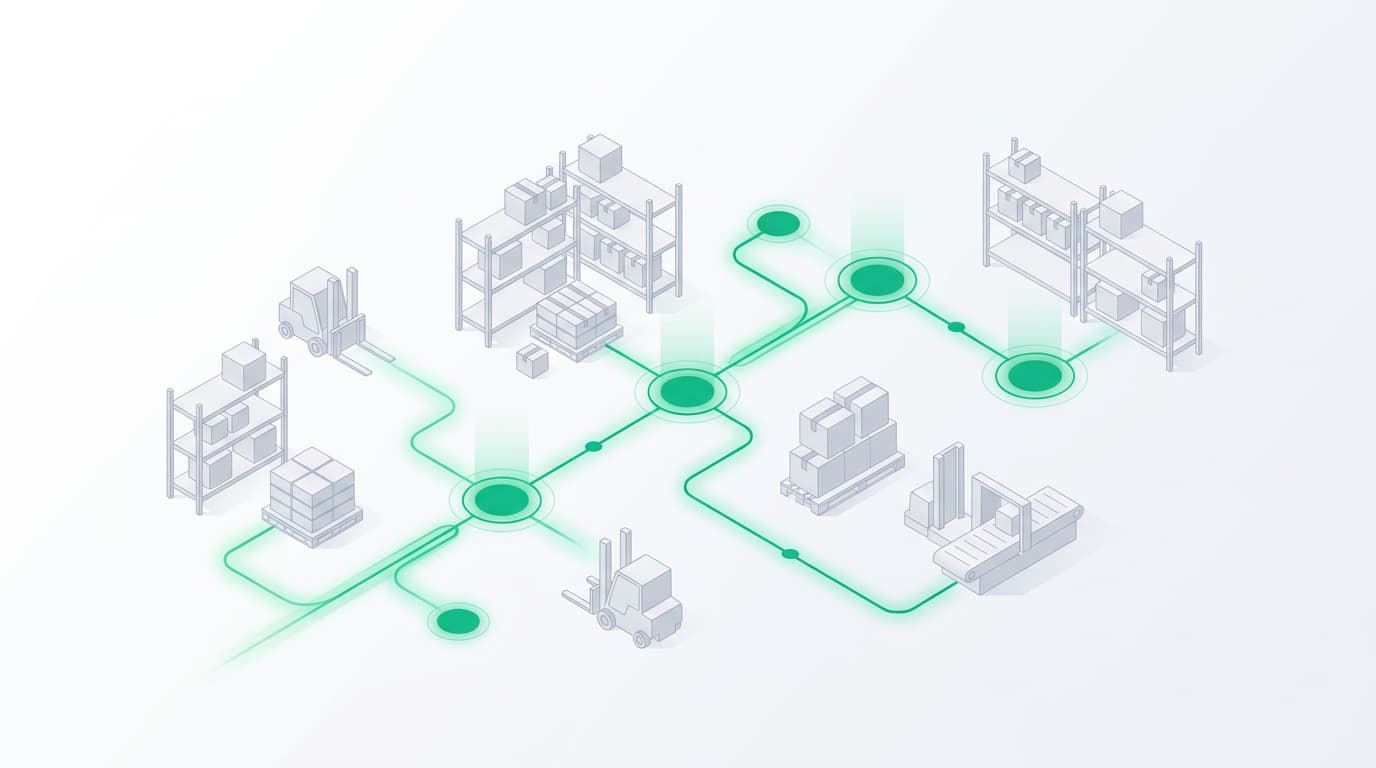
Warehouse Management Systems (WMS): These systems are designed to optimize warehouse operations by improving inventory tracking, order fulfillment, and shipping processes. By enhancing accuracy and efficiency in managing warehouse activities, these systems can dramatically boost operational performance. Companies utilizing advanced WMS have reported improved order accuracy and reduced processing times. 10X ERP integrates seamlessly with WMS, providing real-time data processing that enhances decision-making and operational efficiency.
-
Transportation Management Systems (TMS): These systems play a crucial role in planning, executing, and optimizing the movement of goods. They aid suppliers in handling shipping logistics, tracking shipments, and reducing transportation expenses. Incorporating TMS can result in considerable savings by optimizing logistics operations and improving visibility throughout the distribution network. 10X ERP’s capabilities allow for effective integration with TMS, ensuring that logistics operations are both efficient and cost-effective.
-
Order Management Systems (OMS): These systems streamline the order processing workflow from entry to fulfillment. By ensuring efficient and accurate order processing, they contribute to improved customer satisfaction and retention. The ability to handle orders in real-time enables suppliers to react quickly to market needs, with research indicating that efficient OMS can enhance order precision by 25%. 10X ERP’s robust accounting features support real-time order management, enhancing operational flexibility.
-
Logistics Planning Software: This software emphasizes predicting demand, planning production, and managing resource allocation. It assists distributors in aligning their operations with market demand, optimizing resource allocation, and enhancing responsiveness. The increasing trend towards data-informed decision-making highlights the significance of efficient logistics planning tools. The worldwide logistics management application market is expected to attain USD 32,910.3 million by 2030, underscoring the growing dependence on these technologies. 10X ERP’s built-in reporting and audit trail features enable suppliers to make informed decisions based on real-time data.
Integrating these technological solutions, particularly 10X ERP, can result in transformative enhancements in efficiency and productivity for suppliers, making them vital elements of contemporary logistics management.

Understand Benefits of Supply Chain Management Software
Implementing types of supply chain management software presents a multitude of advantages for distributors, which are crucial for enhancing operational effectiveness.
-
Enhanced visibility is a key feature of types of supply chain management software, as it provides real-time data and analytics, empowering distributors to monitor supply chain activities with precision. This capability is vital, as 62% of firms report limited transparency in their logistics, underscoring the urgent need for robust solutions that deliver comprehensive insights.
-
Improved Efficiency: By automating processes and streamlining workflows, types of supply chain management software significantly cut down on manual tasks and reduce errors. The impact of this efficiency is evident, with AI-driven logistics reported to be 67% more effective than traditional models, showcasing the transformative power of technology in operational processes.
-
Cost reduction can be facilitated by utilizing various types of supply chain management software, as effective logistics management leads to lower operational costs through optimized inventory levels and reduced waste. With U.S. logistics expenses reaching $2.3 trillion, managing costs is essential, and the use of types of supply chain management software is pivotal in enhancing transportation efficiency.
-
Improved collaboration is supported by types of supply chain management software, which foster communication and coordination among suppliers, manufacturers, and retailers across the supply chain. This collaborative approach is increasingly important, particularly as 91% of Chief Procurement Officers prioritize sustainability, necessitating strong partnerships to achieve common objectives.
-
With enhanced order accuracy and faster delivery times facilitated by different types of supply chain management software, suppliers can significantly boost customer satisfaction and loyalty. Notably, 90% of customers expect immediate updates and real-time visibility regarding their orders, making it imperative for distributors to utilize SCM software to meet these expectations and drive sales growth.

Conclusion
Understanding the various types of supply chain management software is essential for distributors aiming to enhance operational efficiency and competitiveness. These tools are not merely technological solutions; they are vital components that streamline processes, improve visibility, and foster collaboration throughout the supply chain. As the market continues to evolve, recognizing the significance of these software types becomes crucial for maintaining a competitive edge.
The article highlights key categories of supply chain management software, including:
- Inventory management
- Warehouse management systems
- Transportation management systems
- Order management systems
- Logistics planning software
Each type plays a specific role in optimizing operations, from tracking stock levels to enhancing order accuracy and reducing transportation costs. The integration of advanced solutions, such as 10X ERP, further amplifies these benefits, enabling distributors to respond swiftly to market demands and improve overall productivity.
In light of the ongoing advancements in supply chain management technology, it is imperative for organizations to leverage these tools to address the complexities of modern distribution. Embracing supply chain management software not only leads to cost reductions and improved efficiency but also enhances customer satisfaction and loyalty. As the landscape continues to shift, the proactive adoption of these technologies will be pivotal in navigating challenges and seizing opportunities in the ever-evolving marketplace.
Frequently Asked Questions
What is Supply Chain Management (SCM) software?
SCM software orchestrates the flow of goods, information, and finances across the supply chain, encompassing processes such as procurement, production, inventory management, and logistics.
How do SCM tools benefit organizations?
SCM tools empower organizations to optimize operations, enhance visibility, and foster collaboration among stakeholders, which is crucial for managing complex logistics and ensuring timely product delivery.
What is the current market size and growth rate for SCM technology?
In 2024, the global supply chain management technology market reached approximately USD 21.93 billion and is expected to expand at a compound annual growth rate (CAGR) of 10.37% from 2023 to 2028.
Why are real-time tracking and monitoring important in SCM?
Real-time tracking and monitoring are essential for lowering expenses and enhancing operational efficiency, as companies increasingly require immediate access to information.
What features does a solution like 10X ERP offer?
10X ERP provides cloud-based functionalities, real-time data processing, strong accounting features, adaptable user permissions, comprehensive audit trails, built-in reporting, and advanced inventory management, including customizable tracking and smooth application integration.
How do SCM applications impact the distribution sector?
SCM applications enhance efficiency and competitiveness in the distribution sector, enabling organizations to respond swiftly to market changes and customer needs.
What should organizations recognize about SCM software?
Organizations must recognize the transformative potential of SCM software to remain competitive in a changing marketplace as the demand for effective supply chain solutions continues to rise.