

Blog
Insights, updates, and best practices for ERP implementation and management
Mitigating Supply Chain Disruptions with ERP Systems
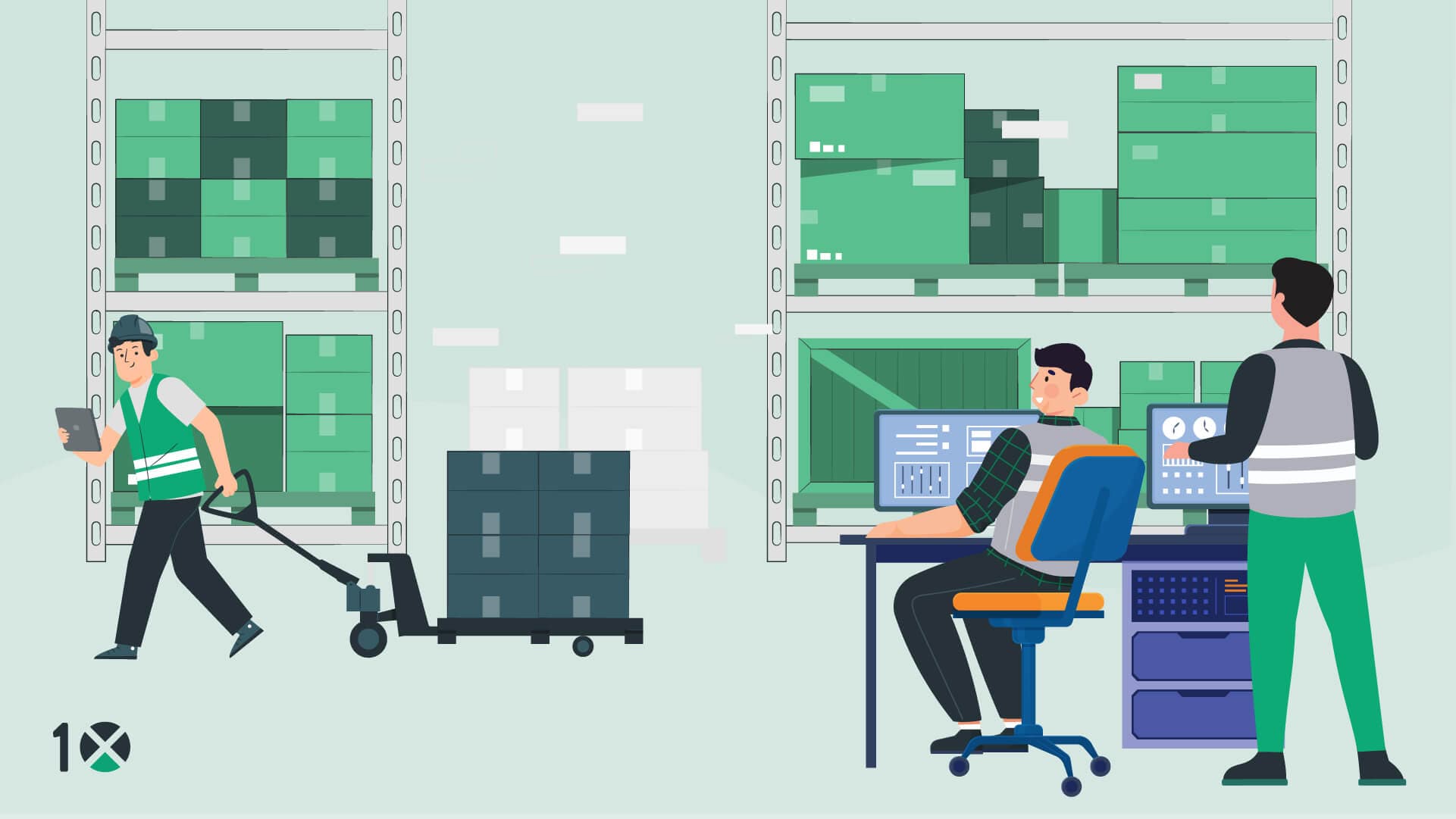
Summary In an era of fluctuating markets and unpredictable supply chain challenges, small to midsize distribution businesses need efficient management strategies. These challenges are magnified by global economic uncertainties and escalating customer expectations, making the role of comprehensive solutions like Enterprise Resource Planning (ERP) systems vital. ERP systems, such as those pioneered by 10X ERP, offer an integrated approach to ... Read More
Revolutionizing ERP Systems: The Transformative Impact of Blockchain Technology
Summary In the ever-evolving landscape of enterprise technology, blockchain stands out as a revolutionary force, particularly in Enterprise Resource Planning (ERP) systems. For small to midsize distribution businesses, understanding the impact of blockchain on ERP systems is crucial. This exploration delves into how blockchain technology transforms ERP systems, offering enhanced security, transparency, and efficiency. Blockchain Technology: A Brief Overview Blockchain, ... Read More

Balancing Cost and Service Level: The Crucial Role of ERP in Procurement
Summary Balancing cost and service level is a crucial challenge for businesses in the complex procurement world. This is where advanced ERP (Enterprise Resource Planning) systems, such as those offered by 10X ERP, become invaluable. These systems significantly transform the procurement landscape, especially with features like the sophisticated Purchase Tool and Item Projection. They enable companies to navigate this balance ... Read More
The Impact of AI on ERP Systems and Distribution
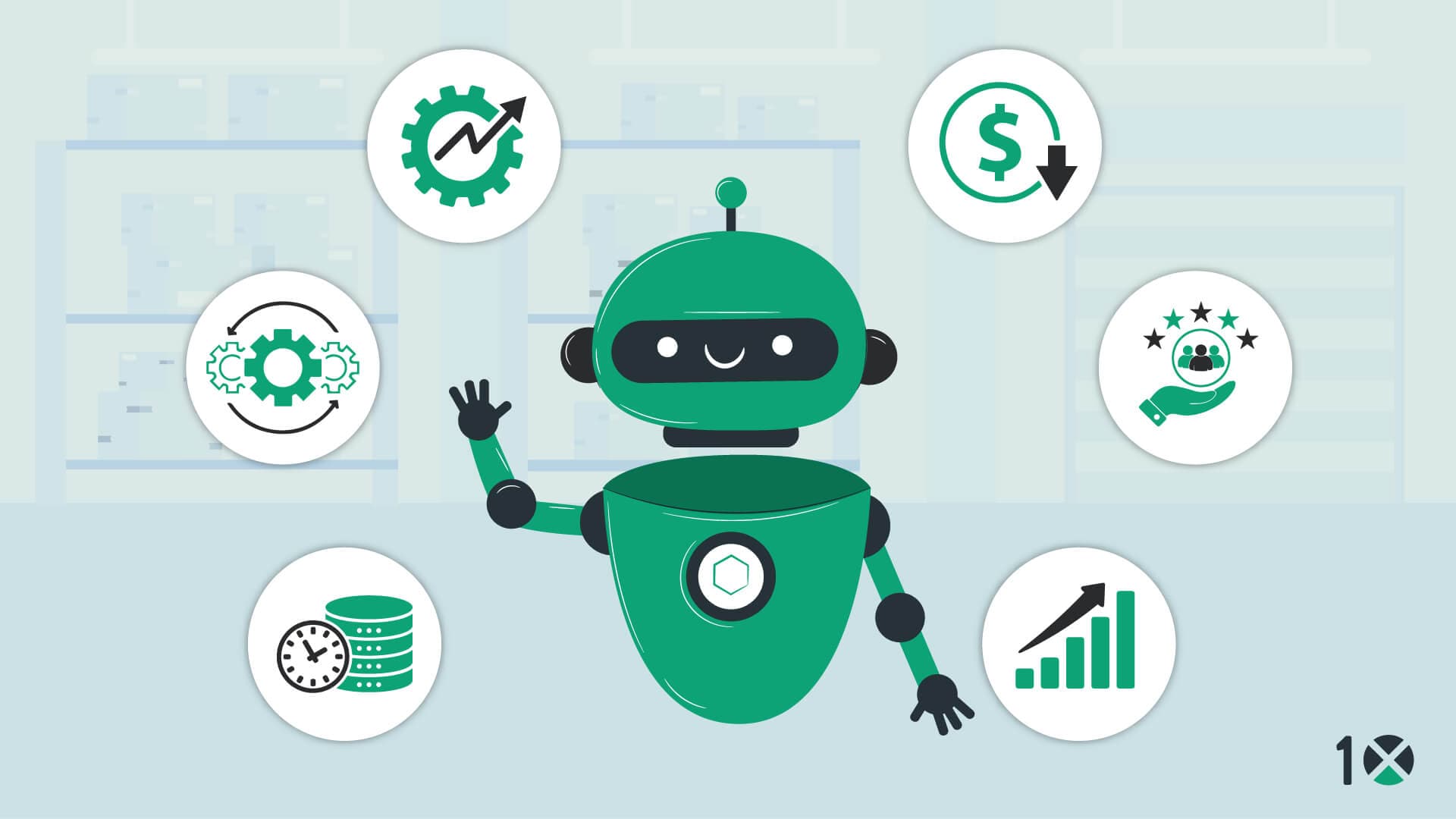
Summary Integrating Artificial Intelligence (AI) into Enterprise Resource Planning (ERP) systems heralds a transformative era for distribution. This seamless blend of technology and management revolutionizes processes, from automated decision-making to predictive maintenance. As we stand on the brink of this new age, it's critical to understand the depth and breadth of AI's impact on the sector. The Power of Automated ... Read More
Why Continuous Training is Crucial for ERP Success
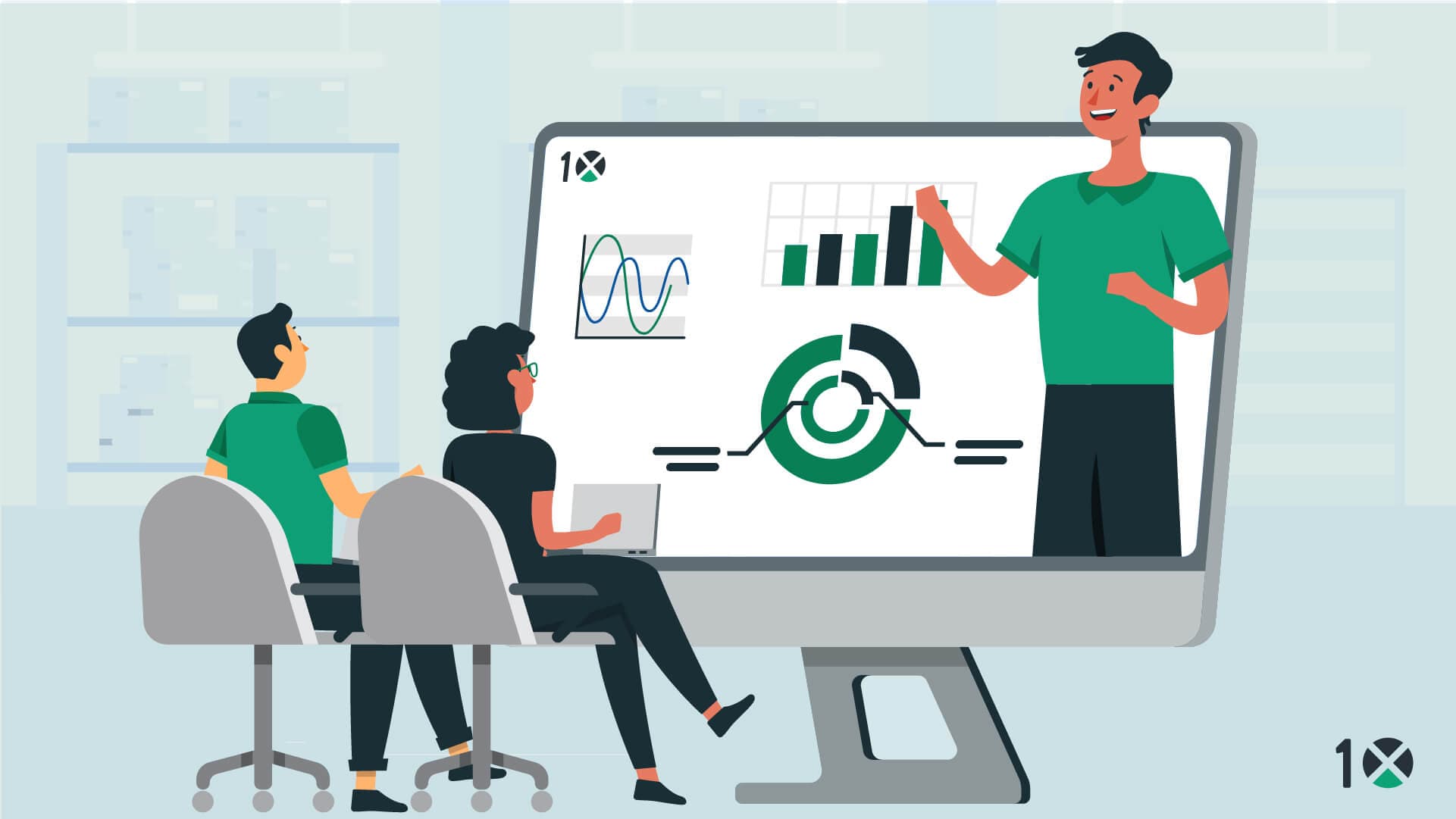
Summary: In the rapidly evolving landscape of enterprise resource planning (ERP), staying ahead of the curve is not just an option but a necessity. As organizations strive to adapt to the digital age, ERP systems have become pivotal in streamlining business processes. However, the success of these systems hinges not only on their technological prowess but also on the continuous ... Read More

Benefits of Mobile ERP for Distribution
Summary: In the fast-paced world of distribution, staying ahead of the curve is not just an advantage; it's a necessity. Integrating mobile Enterprise Resource Planning (ERP) systems is revolutionizing businesses' operations, offering unprecedented flexibility and efficiency. 10X ERP, an industry leader in cloud-based ERP solutions, is at the forefront of this innovation, providing a seamless, browser-based system that caters specifically ... Read More

ERP Insights: Boosting Sales in Distribution
Summary Securing a competitive advantage in the ever-evolving distribution landscape requires embracing innovative strategies. The modern business environment increasingly relies on data analytics, a cornerstone in developing successful strategies. It is a rich source of insights into market trends, customer preferences, and operational efficiencies. By leveraging data analytics capabilities, distribution businesses can craft informed decisions that spur growth and bolster ... Read More
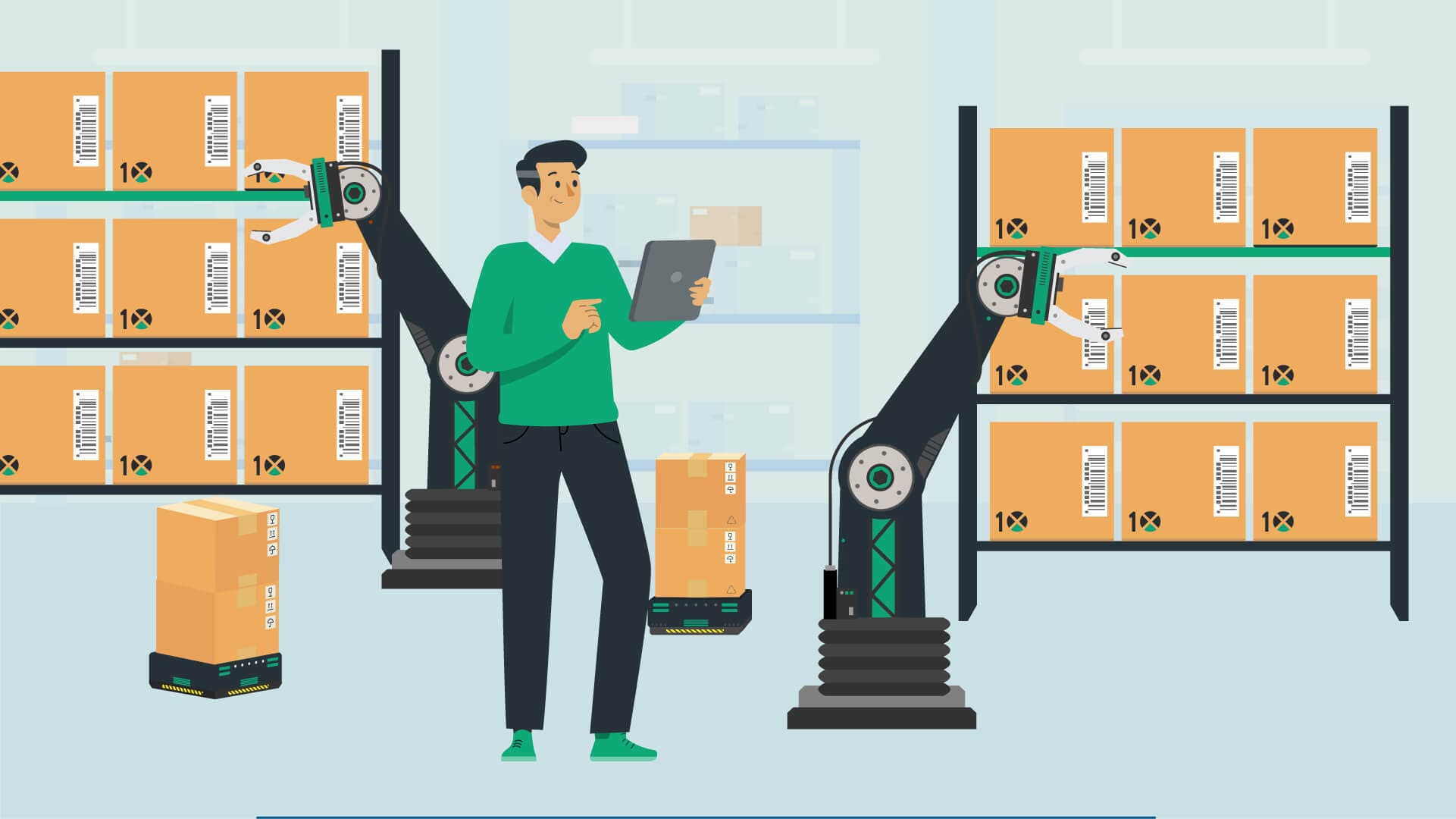
Leveraging Warehouse Automation for Operational Efficiency: A Must in Today's Labor Market
In today’s competitive and fast-paced business landscape, efficiency is the cornerstone of success, especially for small to medium-sized distribution businesses. One of the major challenges that distributors face is finding reliable labor for warehouse operations. With rising labor costs and increasing turnover rates, the traditional warehouse management approach is quickly becoming untenable. Fortunately, the answer to these challenges lies in ... Read More

The Imperative for Distributors to Enhance E-Commerce Capabilities: A Strategic Perspective
Summary: The wave of digital transformation is sweeping across various sectors, and the distribution landscape is no exception. With an increasing shift towards e-commerce, distributors can no longer ignore the benefits and opportunities a robust online presence brings. This change is fueled by rapid technological advancements and changing customer expectations for more electronic services. Empirical Insights: The Growing Importance of ... Read More

How to Ensure a Positive ERP Experience
Summary: If you had to pick a few adjectives to describe your ERP system, what would they be? Important? Critical? If you’ve had a few bad experiences, you might describe them as time-consuming, annoying, ineffective, or complex. Very few people would describe it as a positive ERP experience. The phrase ‘customer delight’ has earned its own Wikipedia entry for good ... Read More
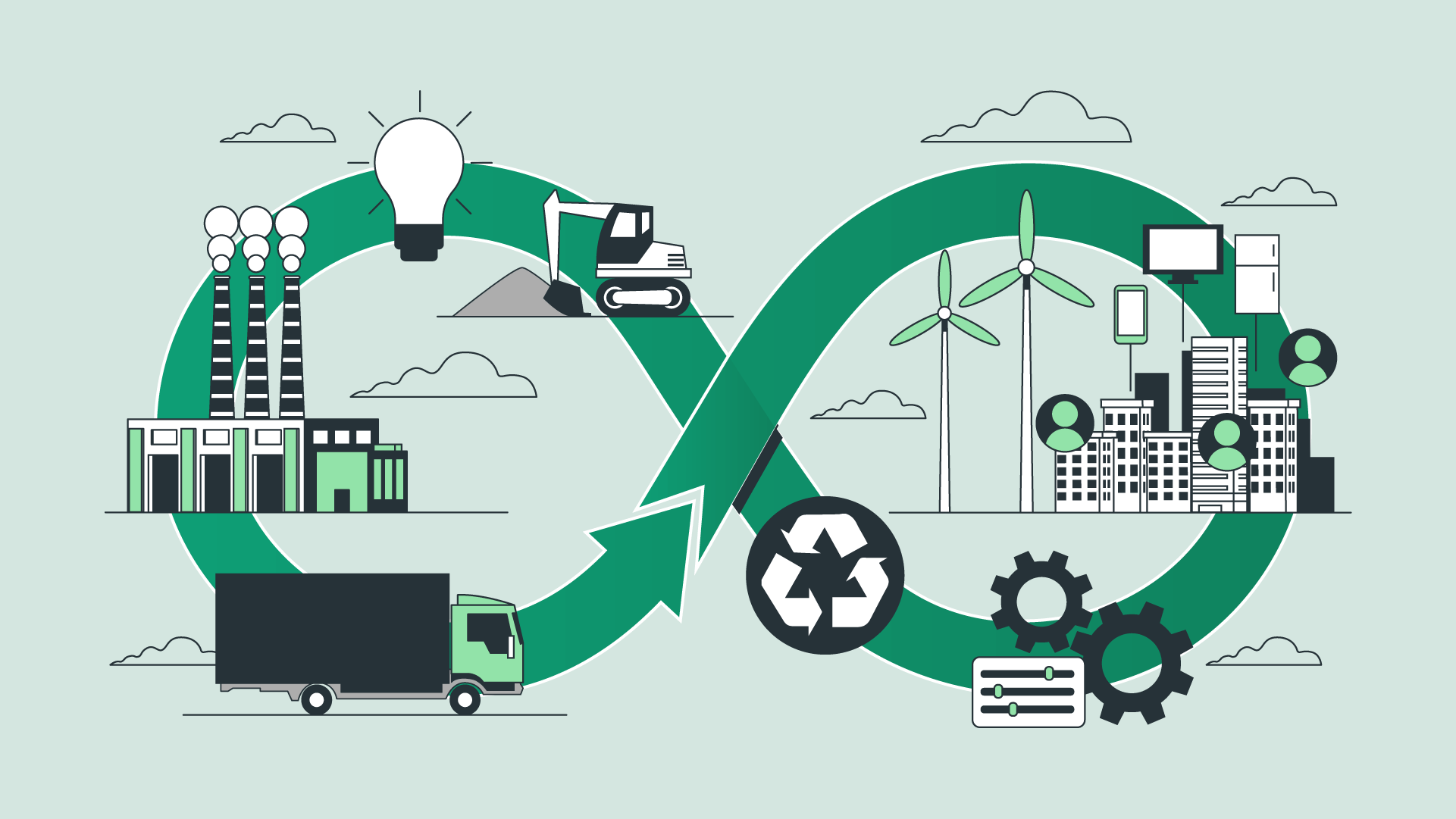
The Role of ERP in Sustainable Distribution
Summary In today's increasingly eco-conscious world, businesses of all sizes are under mounting pressure to adopt sustainable practices. Small to midsize distribution businesses are no exception. As businesses look to minimize waste, increase energy efficiency, and streamline their operations, many are turning to Enterprise Resource Planning (ERP) systems. But what exactly is ERP, and how can it assist in achieving ... Read More
10 Tips for a Successful ERP Implementation
Summary: Enterprise Resource Planning (ERP) systems have become the backbone of modern businesses, streamlining operations, enhancing productivity, and fostering growth. However, implementing an ERP system is no small feat. It requires careful planning, a clear vision, and a commitment to change management. Here are ten essential tips to ensure your ERP implementation is a success: Conclusion: ERP implementation is a ... Read More