Blog
Insights, updates, and best practices for ERP implementation and management
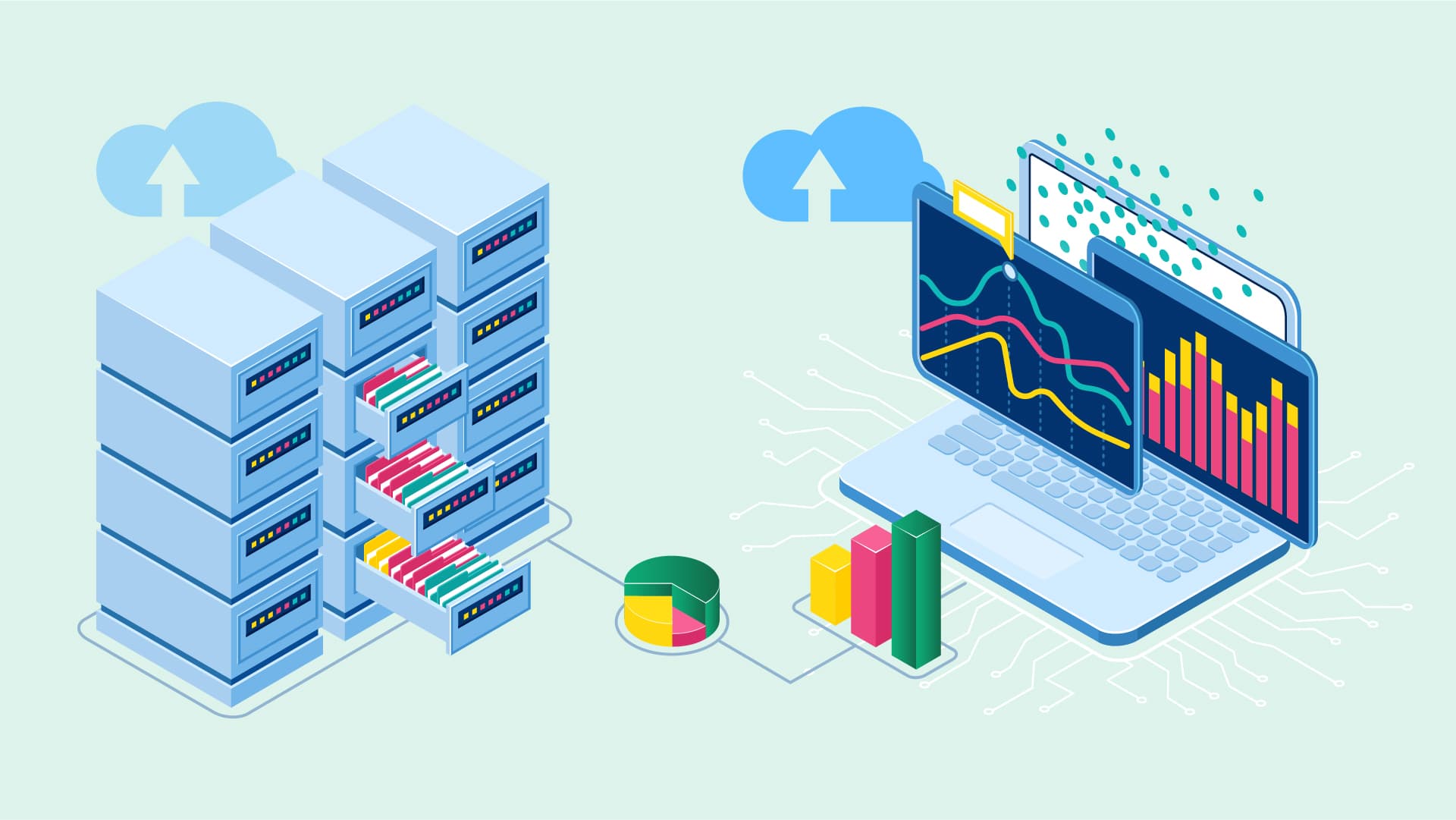
What’s a Modern ERP Tech Stack and Why Does It Matter?
Summary By 2025, estimates show that humans will be surrounded by 175 zettabytes of data; one zettabyte is equal to a trillion gigabytes. That's a lot of information being created and for businesses, that data needs to be stored, sorted, and analyzed in order to be turned into insights that can help them stay competitive. To manage this influx of data, ... Read More
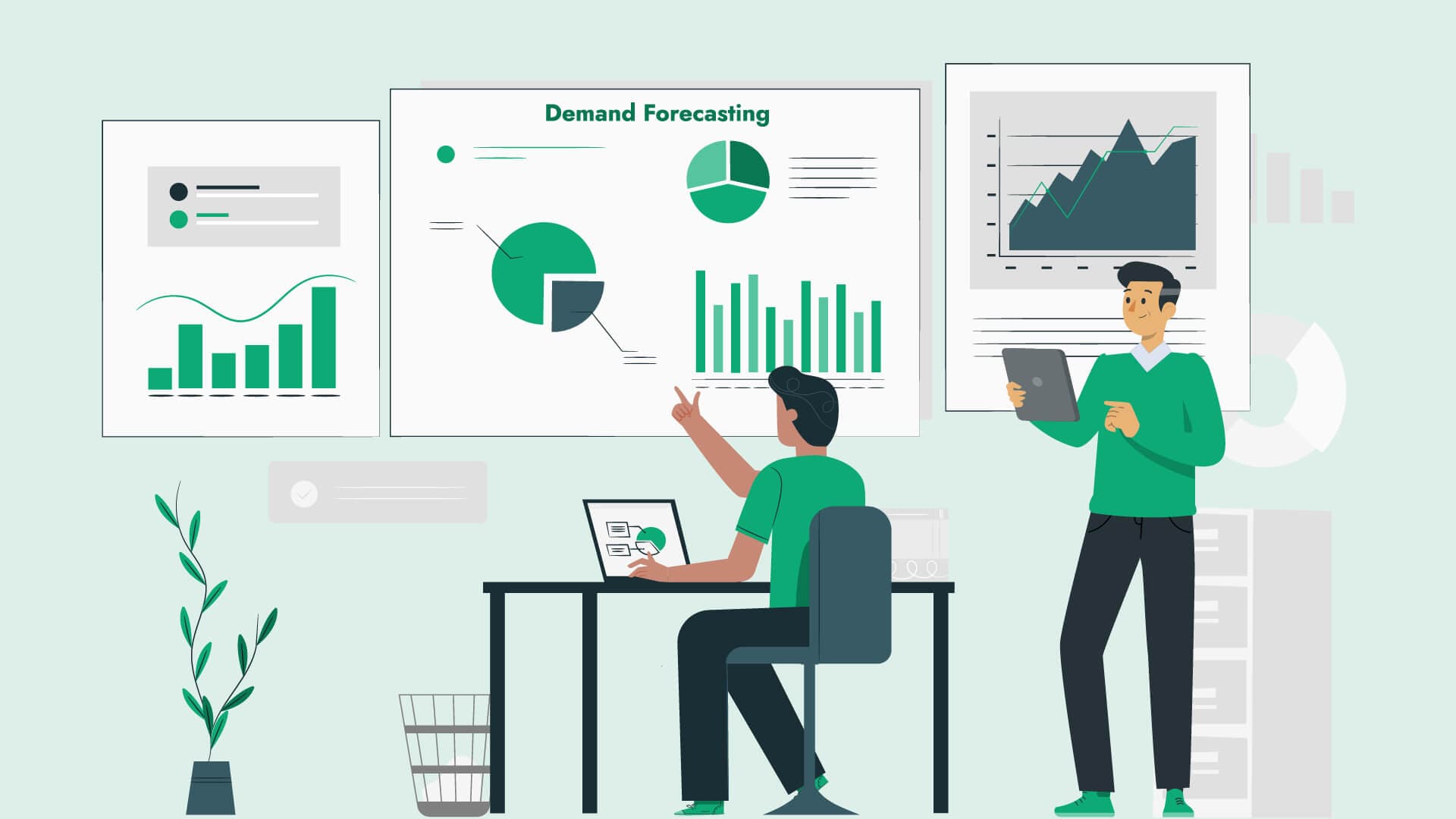
Demand Forecasting and Product Replenishment: The Future of Distribution
Summary In the world of distribution, ensuring that products are available at the right time, in the right quantity, and from the right location is the key to success. At the heart of this lies two pivotal processes: demand forecasting and product replenishment. Understanding these processes and employing advanced tools like automated systems can make all the difference for small ... Read More
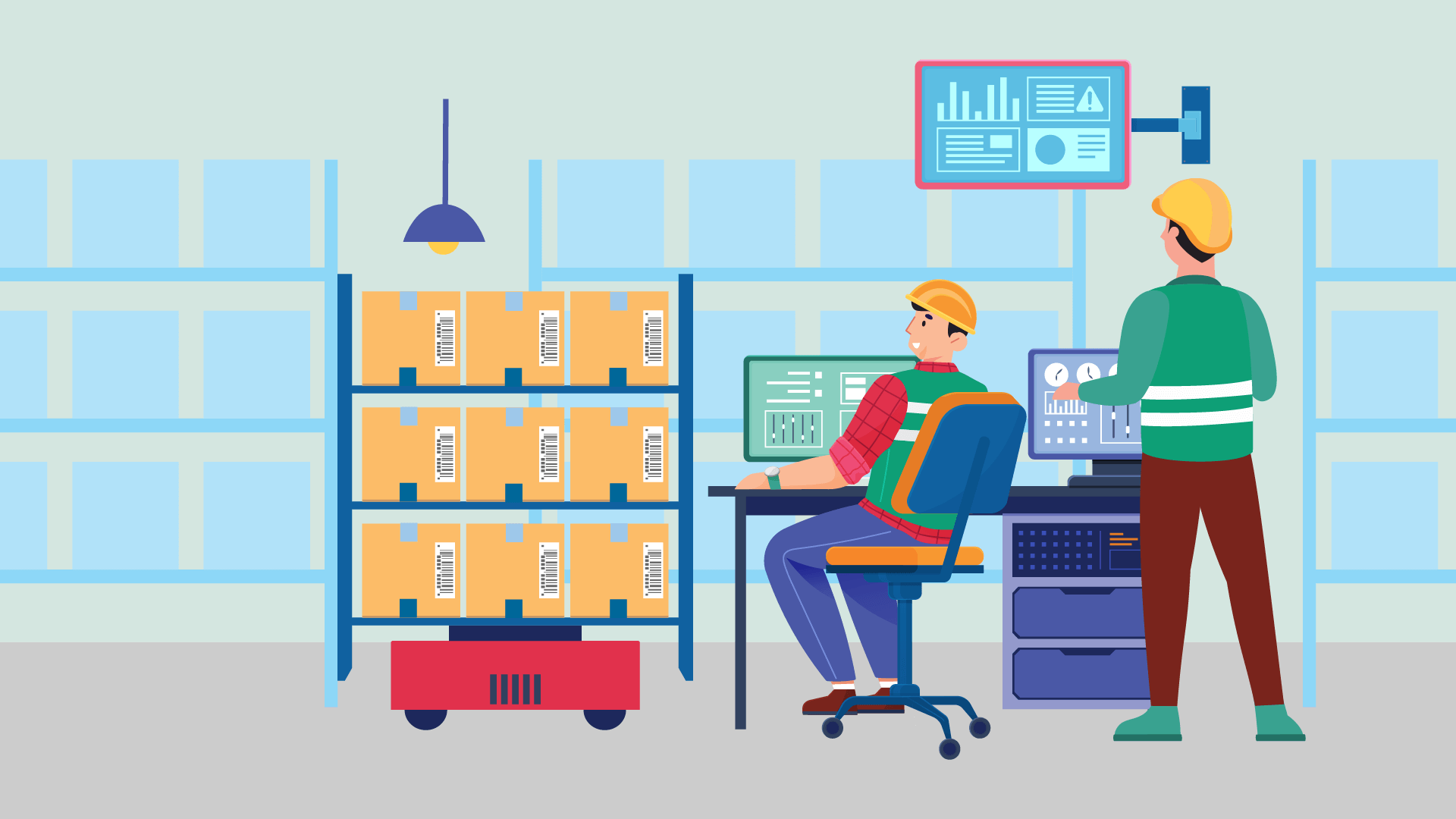
Leveraging ERP for Enhanced Inventory Management
Summary Inventory management is vital yet complex in today's fast-paced distribution landscape. Balancing vast quantities of inventory items while ensuring availability, optimizing warehouse space, and maintaining cost-effectiveness is challenging. Fortunately, technology has introduced us to Enterprise Resource Planning (ERP) systems to mitigate this burden. But what exactly are ERP systems, and how can they transform the inventory management process for ... Read More
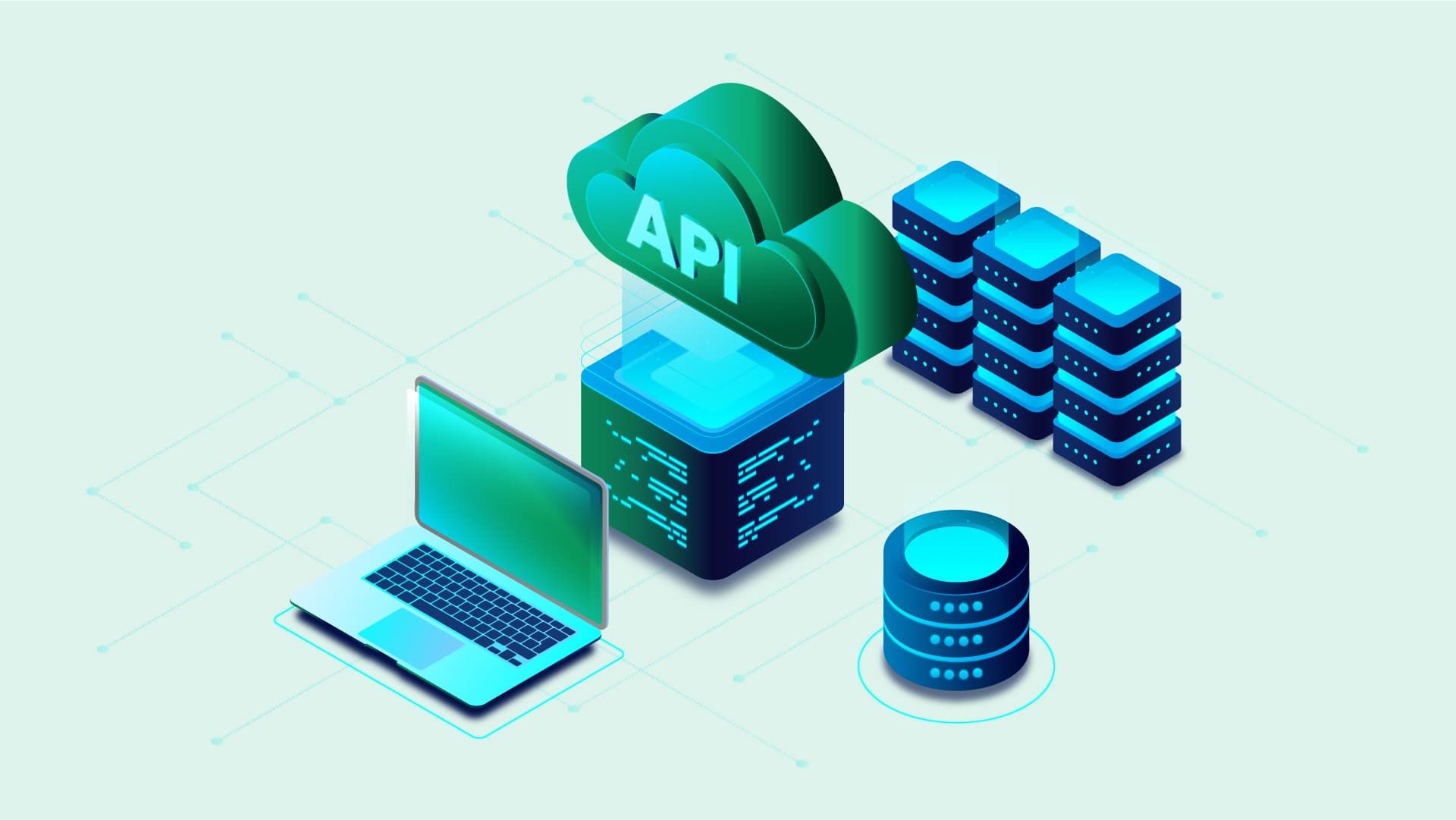
ERP API: The Power Of An API-First Approach
Summary In today’s rapidly-accelerating world, the name of the game in data integration is an API-first approach. API is a commonly used acronym that means Application Programming Interface. An API-first approach is where a software company prioritizes APIs at the very beginning and throughout the software development process. This approach positions APIs as the building block of the software and ... Read More
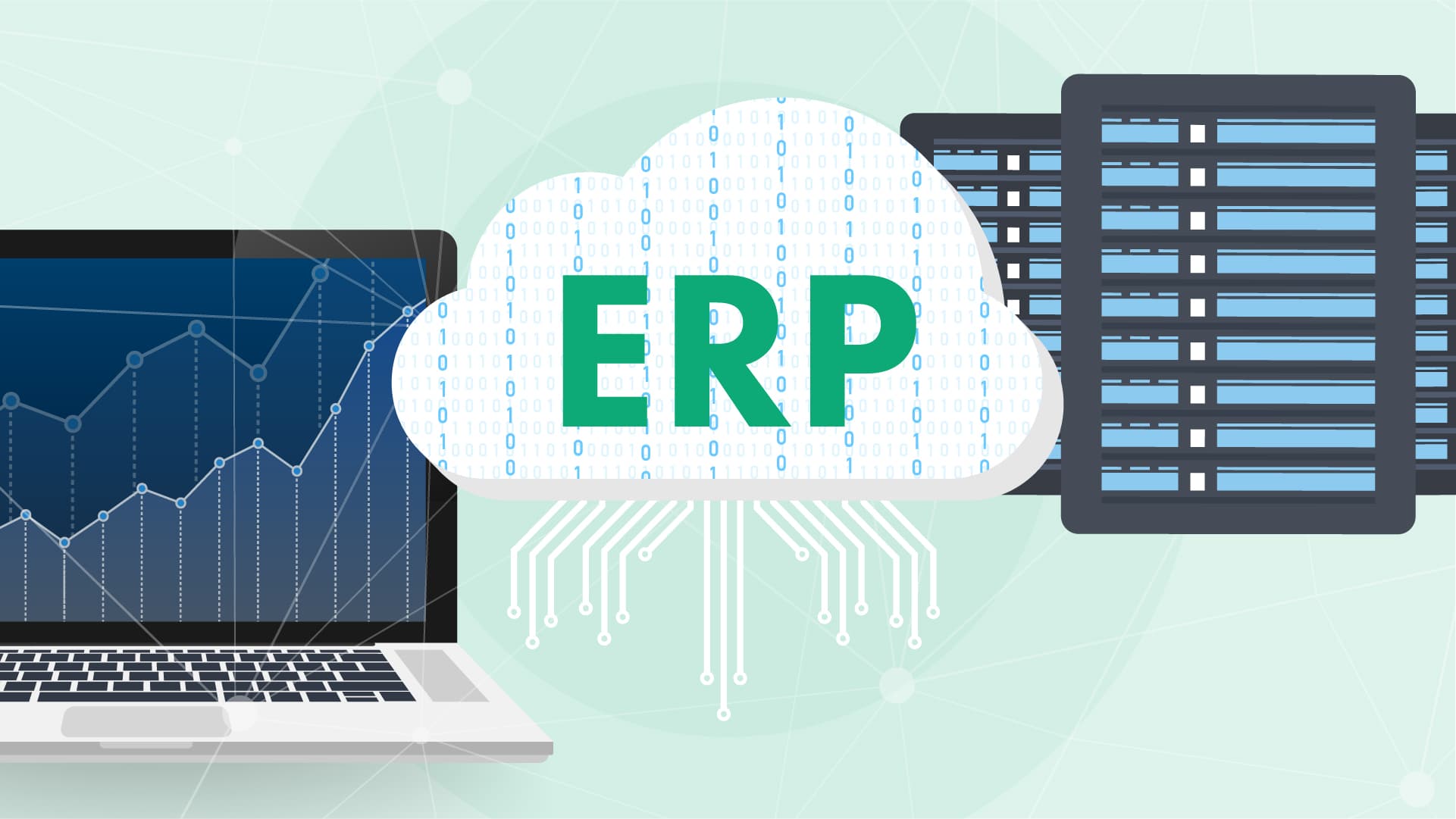
What is an ERP? Enterprise Resource Management Software Defined
Summary Enterprise resource planning refers to software used by organizations to manage their day-to-day business processes and activities, including inventory, customer, and vendor management, procurement, supply chain management, accounting, and more. Also known as ERP, these systems deliver an integrated suite of business applications supporting numerous functions through automation of common processes and centralization of data. Most businesses invest in enterprise ... Read More
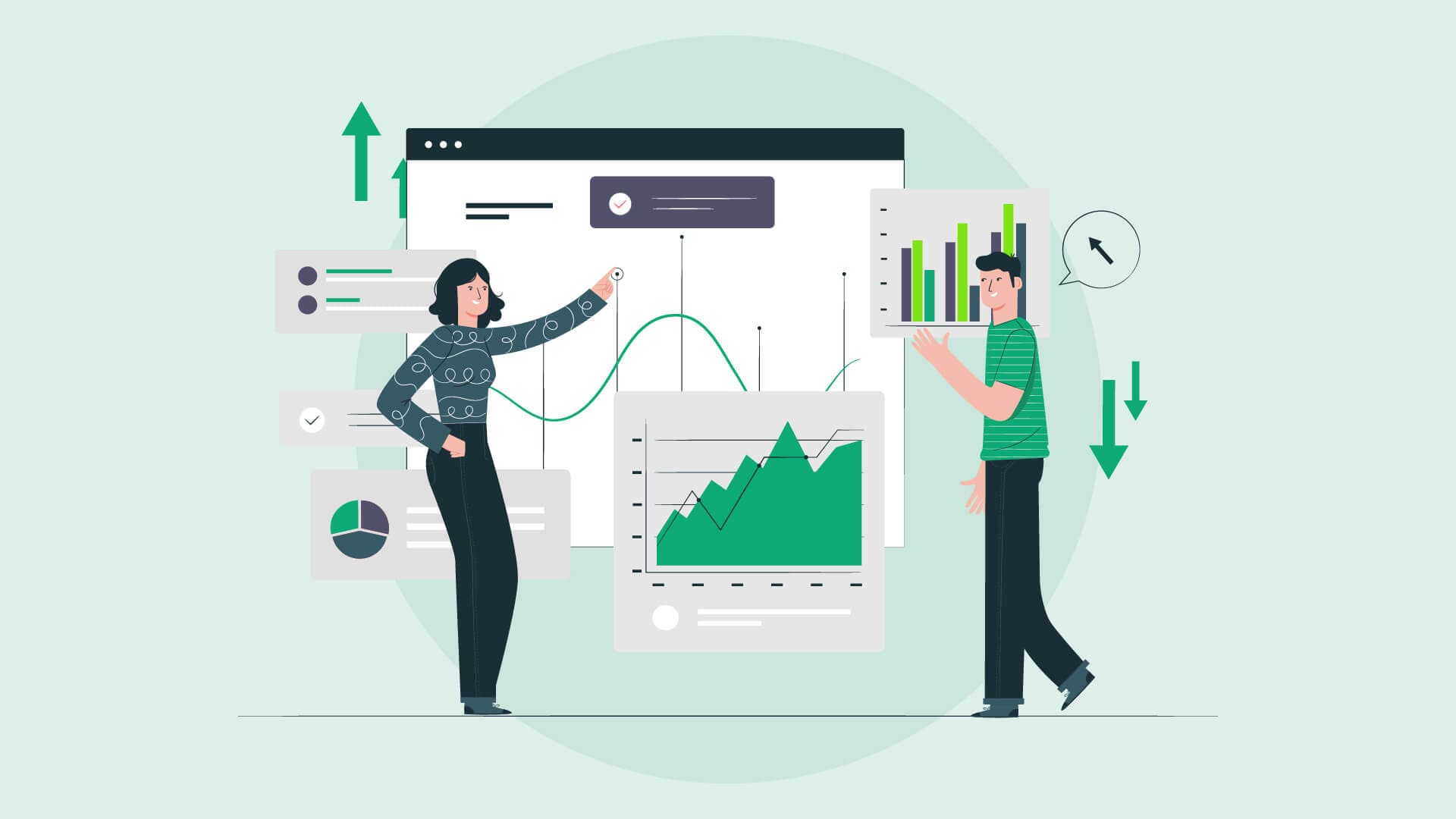
Understanding the ROI of ERP Implementation for Distribution Businesses
Summary Every dollar counts When making a significant investment in your small or midsize distribution business. You want to ensure that you're investing wisely and that the returns are tangible and substantial. With this in mind, many organizations are turning to Enterprise Resource Planning (ERP) solutions to streamline operations, increase efficiency, and enhance decision-making. But how do you gauge the ... Read More
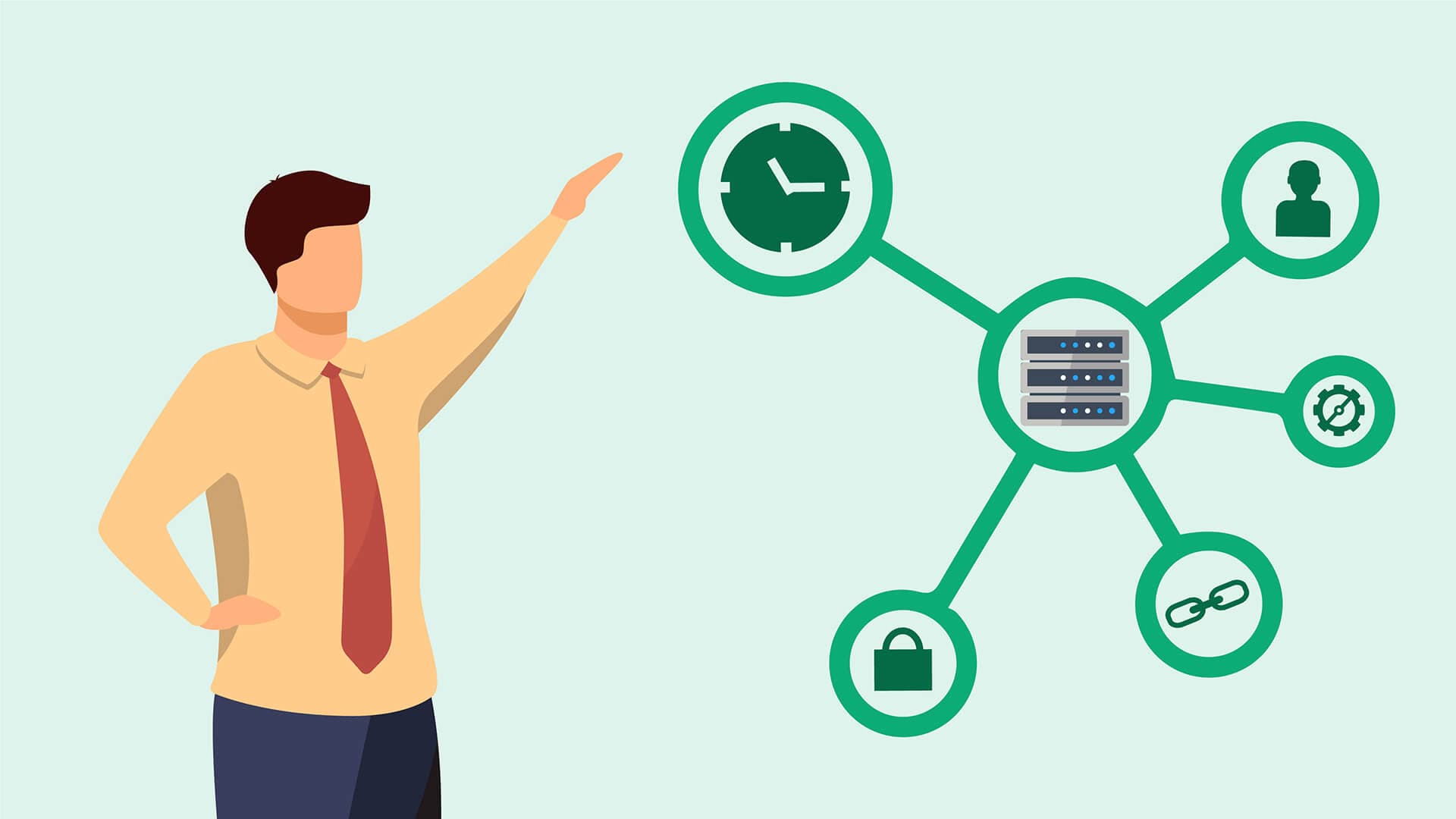
What Are the Primary Business Benefits of an ERP System?
Summary Enterprise Resource Planning (ERP) tools are used to manage the day-to-day business operations in a number of industries, including procurement, accounting, supply chain management, human resources, and more. The right ERP system provides your business with an effective way of viewing, distributing, and managing its most critical resources across the entire organization. The ERP market in the United States ... Read More
The Future of Distribution in the Digital Transformation Era
Summary The distribution landscape is amid a remarkable transformation that brings unprecedented challenges and opportunities. A driving force behind this shift is none other than digital transformation, a buzzword that has taken almost every industry by storm. Digital transformation, in its simplest form, is the integration of digital technology into all areas of a business, fundamentally changing how you operate ... Read More
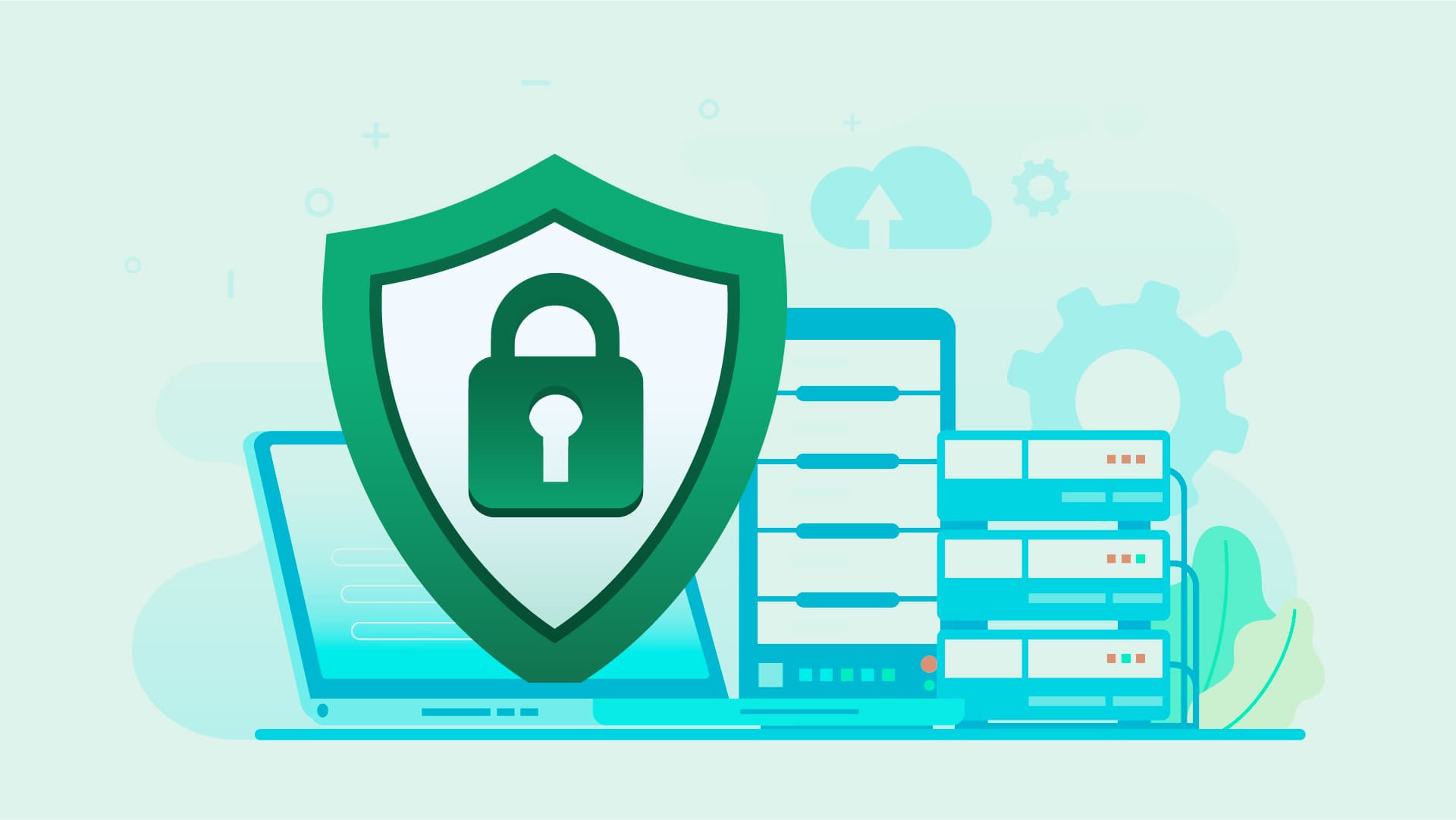
The Role of Security in ERP Systems for Distribution Businesses
Summary At 10X ERP, we understand these unique security challenges. That’s why we've designed our ERP system with a steadfast focus on security. We’ve integrated modern web security best practices and top-tier tools right into the fabric of our platform. Our goal is to offer peace of mind to our users, ensuring that security is not just a side feature ... Read More
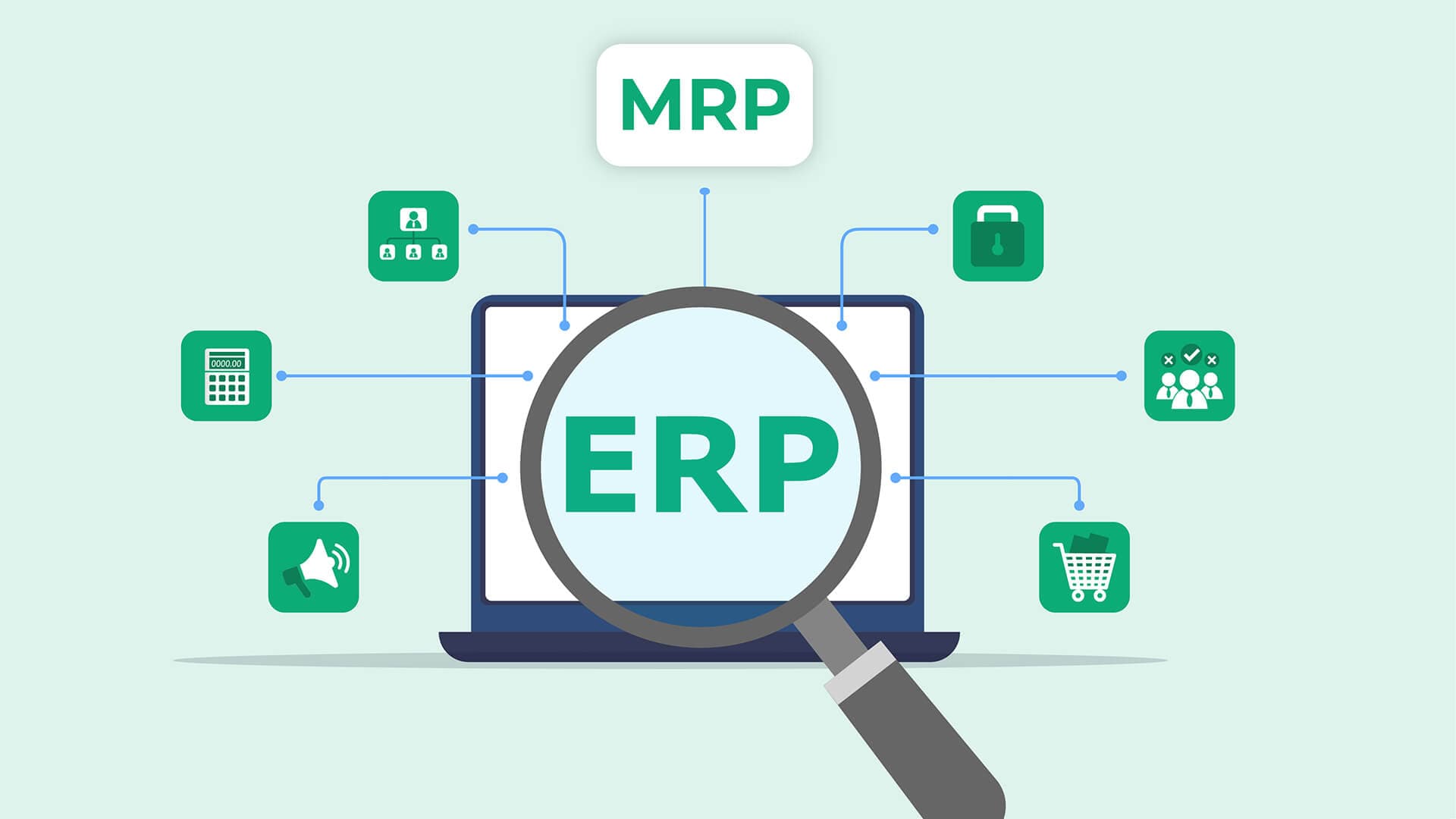
MRP vs. ERP: NAVIGATING THE DIFFERENCE FOR DISTRIBUTORS
Understanding the terms ERP (Enterprise Resource Planning) and MRP (Material Requirements Planning) can feel like navigating a labyrinth, especially when you consider their shared acronyms and history. While they do overlap in some areas, each system provides its own unique capabilities and levels of performance. MRP software primarily enables manufacturers to manage material-related aspects of their business, including inventory control, ... Read More
Best Wholesale Items to Sell
Retail stores sell goods directly to the end user in small quantities, typically in either a brick-and-mortar or ecommerce store. Wholesale suppliers, on the other hand, sell wholesale goods in larger quantities to store owners and others within a number of industries, who then sell the goods to the end consumer. Selling products wholesale provides access to a diverse range ... Read More
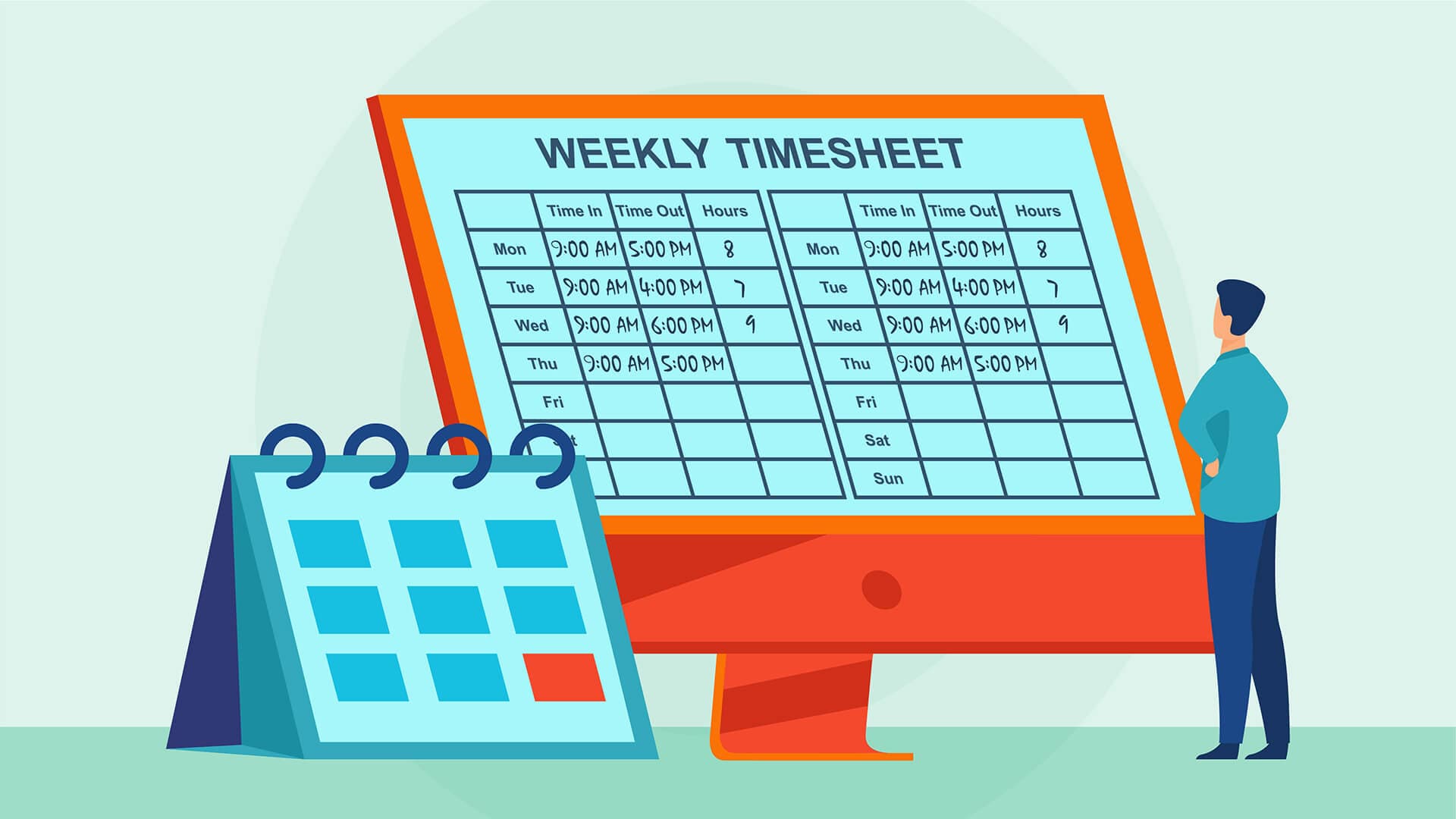
The Best Free Timesheet Templates
A timesheet is a data table that tracks the total hours an employee has worked during a set period. Businesses may use timesheets to track time spent on tasks, clients, or projects. Larger businesses use software or apps to track employee hours, but paper-based timesheets will suffice for smaller companies with fewer employees. In this article, we'll share a few ... Read More