AI-Driven Demand Sensing vs. Forecasting: What Distributors Need to Know
Summary
- Traditional demand forecasting relies on historical data and long-term trends to support strategic planning, but it struggles to adapt quickly in volatile or rapidly changing markets.
- AI-driven demand sensing uses real-time signals and machine learning to continuously adjust short-term demand predictions, enabling faster, more agile responses to unexpected shifts.
- Modern ERP platforms like 10X ERP combine both approaches, giving distributors long-term visibility and short-term agility to reduce risk, improve service levels, and increase profitability.
For distributors, anticipating demand is one of the most important—and most difficult—challenges in running a profitable business. The ability to predict what customers will buy, when they’ll buy it, and in what quantities determines everything from inventory levels to vendor purchasing, pricing strategies, and customer satisfaction.
Traditionally, companies have relied on demand forecasting—longer-term, historical-
What Is Traditional Demand Forecasting?
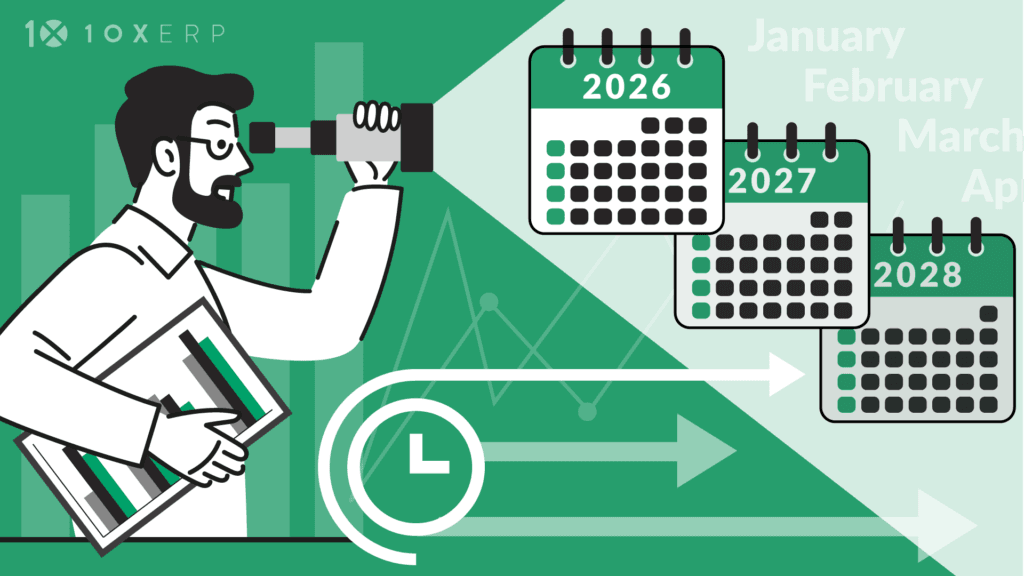
Demand forecasting is the process of predicting future demand based on historical sales data, seasonality, and long-term market trends. Forecasting typically looks weeks, months, or even years into the future, providing a big-picture view that helps guide:
- Strategic purchasing decisions.
- Budgeting and financial planning.
- Long-term capacity and workforce planning.
While valuable, traditional forecasting has limitations:
- It struggles with sudden changes in customer behavior.
- It can’t account for real-time events like weather disruptions, geopolitical issues, or unexpected shifts in customer preferences.
Forecast accuracy declines as volatility increases.
Forecasting is useful for long-term planning but less effective in rapidly changing markets.
What Is Demand Sensing?
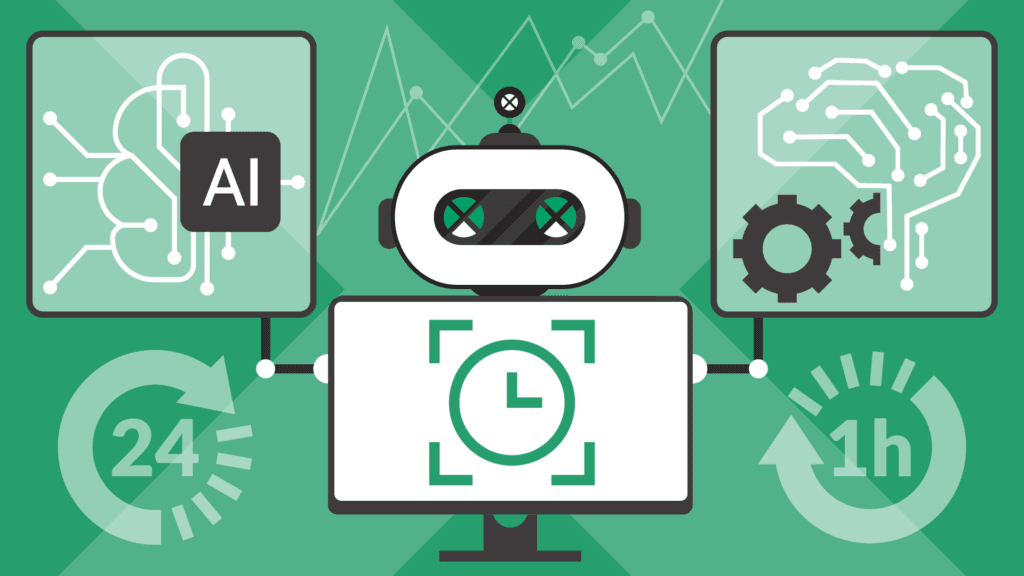
Demand sensing uses AI and machine learning to analyze real-time signals and short-term data to adjust demand predictions daily—or even hourly. Instead of looking at historical patterns alone, demand sensing leverages:
- Point-of-sale (POS) data from customers.
- Real-time order activity.
- Social media sentiment and online trends.
- Macroeconomic and environmental factors (weather, fuel costs, etc.).
- Supply chain signals such as vendor lead times and freight delays.
Where forecasting is like looking at a roadmap, demand sensing is like checking live traffic updates on your GPS.
Key Differences: Forecasting vs. Demand Sensing
| Feature | Demand Forecasting | AI-Driven Demand Sensing |
|---|---|---|
| Time Horizon | Weeks, months, years | Hours, days, weeks |
| Data Input | Historical sales, seasonal trends | Real-time signals, external events, AI models |
| Adaptability | Rigid, slow to adjust | Agile, updates continuously |
| Use Case | Long-term planning | Short-term agility and responsiveness |
Both are valuable—but together they create a stronger demand planning strategy.
How ERP Powers Demand Sensing and Forecasting
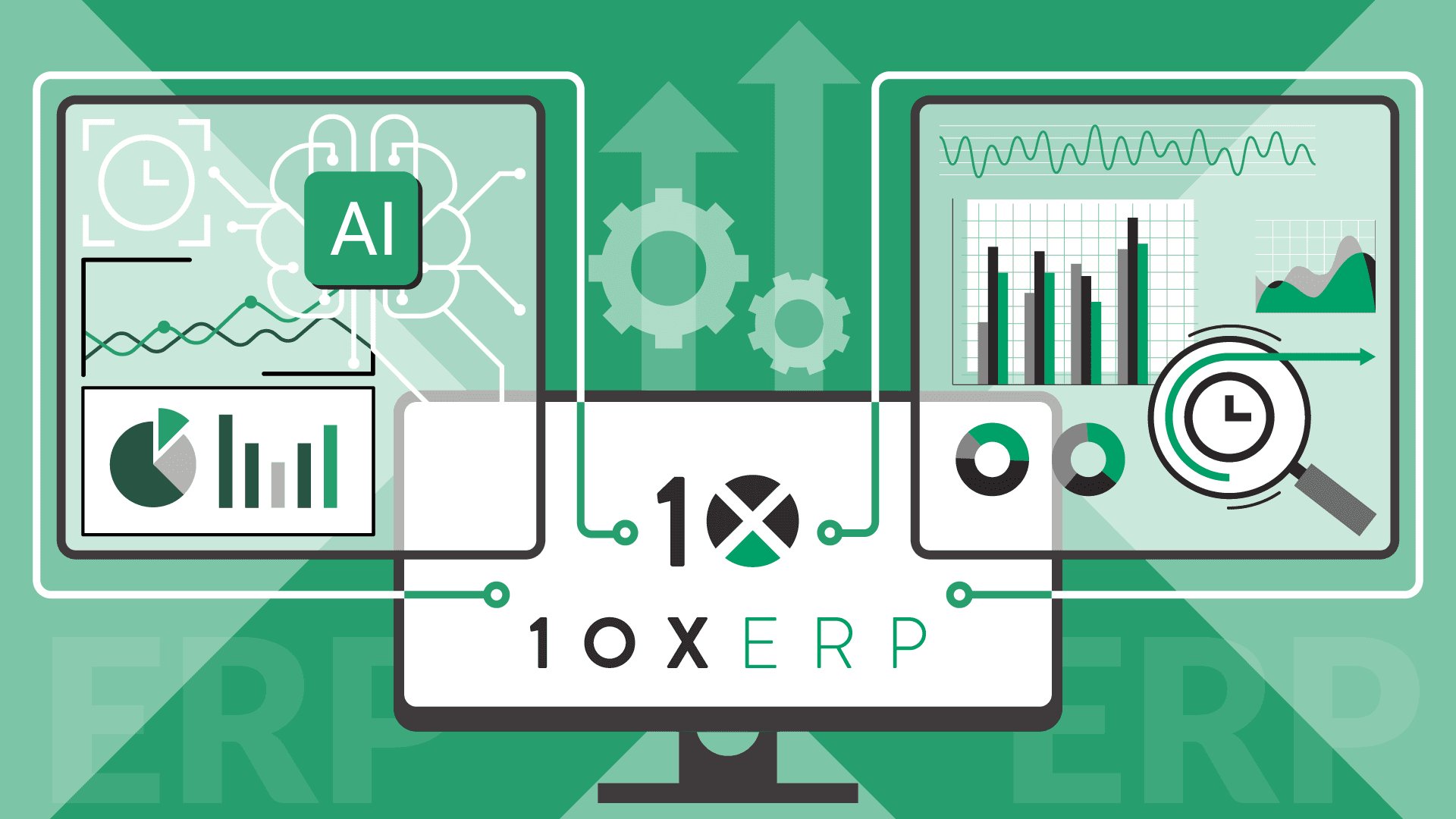
An ERP platform like 10X ERP becomes the central hub where data for both forecasting and demand sensing converge:
- For forecasting: ERP consolidates historical sales, vendor performance, and seasonal trends into reports for long-term planning.
- For demand sensing: AI and machine learning tools layered into ERP can pull real-time order activity, customer behaviors, and supply chain signals to adjust predictions daily.
- Unified planning: By combining the two, distributors get both long-term visibility and short-term agility.
Benefits for Distributors
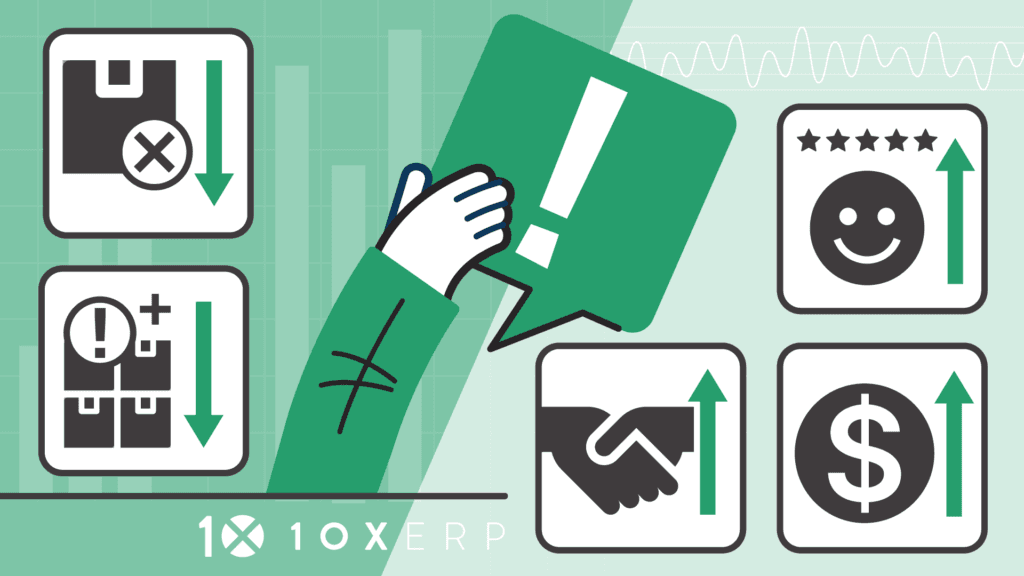
- Reduced Stockouts: Real-time demand sensing helps avoid empty shelves when demand spikes unexpectedly.
- Lower Excess Inventory: Forecasting plus sensing ensures you don’t over-purchase during market dips.
- Improved Customer Service: Faster, more accurate response to customer needs builds trust and loyalty.
- Stronger Vendor Relationships: With more precise data, you can negotiate smarter and plan replenishment more effectively.
- Higher Profitability: Balancing forecast-driven planning with AI agility reduces waste and improves margins.
Real-World Example
Imagine a distributor of industrial parts. Traditional forecasting predicts steady demand for Q1 based on past three years’ sales. But in January, a key customer suddenly increases orders due to an unexpected project win.
- Without demand sensing, the distributor may face stockouts and scramble with costly expedited shipping.
- With AI-driven sensing, the ERP detects the spike in real time, adjusts short-term demand projections, and automatically triggers replenishment with trusted vendors.
Practical Steps to Get Started
- Audit your data sources: Ensure ERP is capturing both historical and real-time data.
- Adopt AI tools: Explore ERP-integrated AI modules for demand sensing.
- Balance horizons: Use forecasting for strategic planning and sensing for daily execution.
- Engage vendors: Share insights with suppliers to align replenishment cycles.
- Refine continuously: Monitor forecast accuracy and adjust models regularly.
Conclusion
For distributors, relying on traditional forecasting alone is no longer enough. Markets move too quickly, and disruptions are too common. By combining long-term forecasting with AI-driven demand sensing, businesses gain both stability and agility.
10X ERP provides the foundation for both approaches—leveraging historical data for planning and real-time AI insights for execution. In a world where customer expectations and supply chains change overnight, this dual strategy isn’t just smart—it’s essential for sustainable growth.
Ready to Transform Your Distribution Business?
Let us help you implement solutions that drive real results.
Contact Us TodayGet insights delivered to your inbox
Product updates, distribution industry insights, and company news.
Related Articles

Why vacation season exposes operational gaps in distribution businesses
Every distribution business has that moment in July. A key person is out. A big order comes in. And suddenly everyone realizes the operation was running on tribal knowledge, not systems. Vacation season doesn't create operational gaps — it just makes them impossible to ignore. Here's why it happens and what distributors running on modern ERP do differently.
The 8 Essential ERP Modules Every Distributor Needs
A distribution ERP is only as good as its modules. Here are the 8 essential ERP modules for distributors, what each one does, and why they work best on one platform.
Supply Chain Management Software for Distributors: 7 Solutions That Matter
The seven supply chain management software capabilities that actually move the needle for distributors, from replenishment to supplier collaboration to real-time visibility.